In this article
Many clothes are sold as 'block print' today, but not all of them are printed by hand. Here is how to tell the difference.
What is hand block printing?
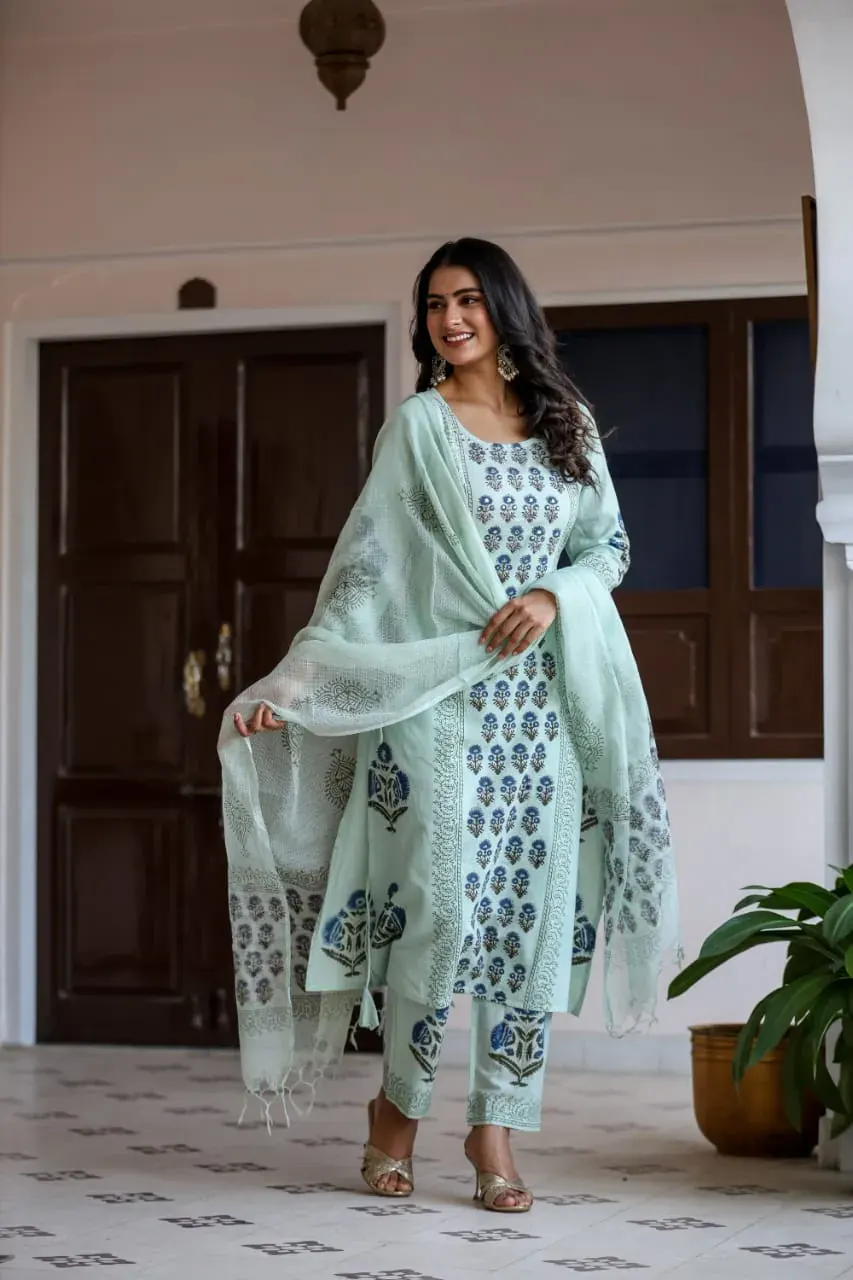
In hand block printing, a karigar (artisan) presses a hand-carved wooden block, dipped in colour, onto fabric – again and again, along a long padded table. Each colour in the design usually needs its own block. It is a slow craft that has been practised in and around Jaipur, in places like Sanganer and Bagru, for generations.
1. Look for tiny variations
In a real block print, the same motif will look very slightly different each time – a little lighter here, a slightly thicker line there. Screen and digital prints look perfectly identical.
2. Check where the motifs meet
Where one stamp meets the next, you may see a faint overlap or a tiny gap. This is the mark of a hand-placed block.
3. Look at the back of the fabric
Block printing colour usually soaks through the fabric, so the back shows the design clearly. Many digital prints look pale or blank on the back.
4. Feel the fabric
Hand block prints are usually done on natural fabrics like cotton, and the fabric stays soft and breathable.
5. Ask about the process
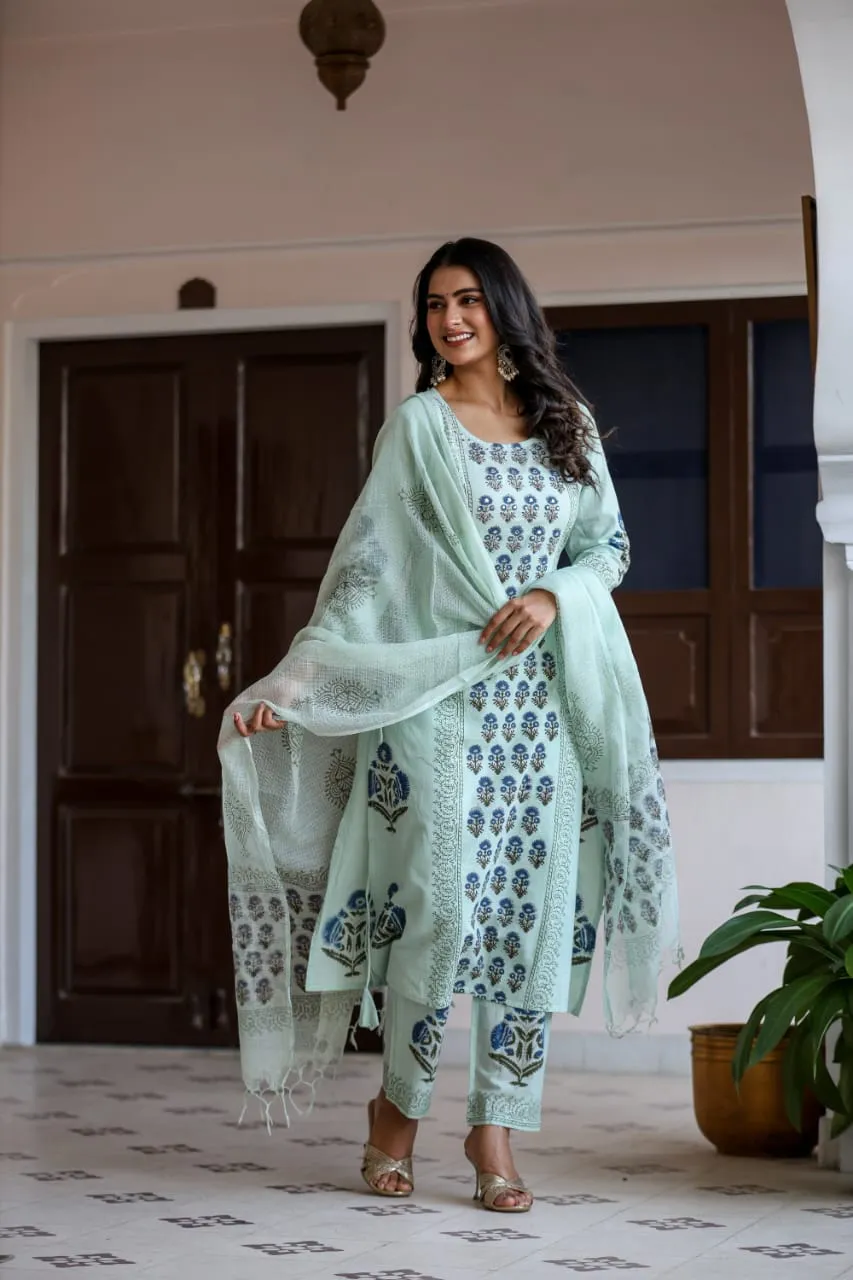
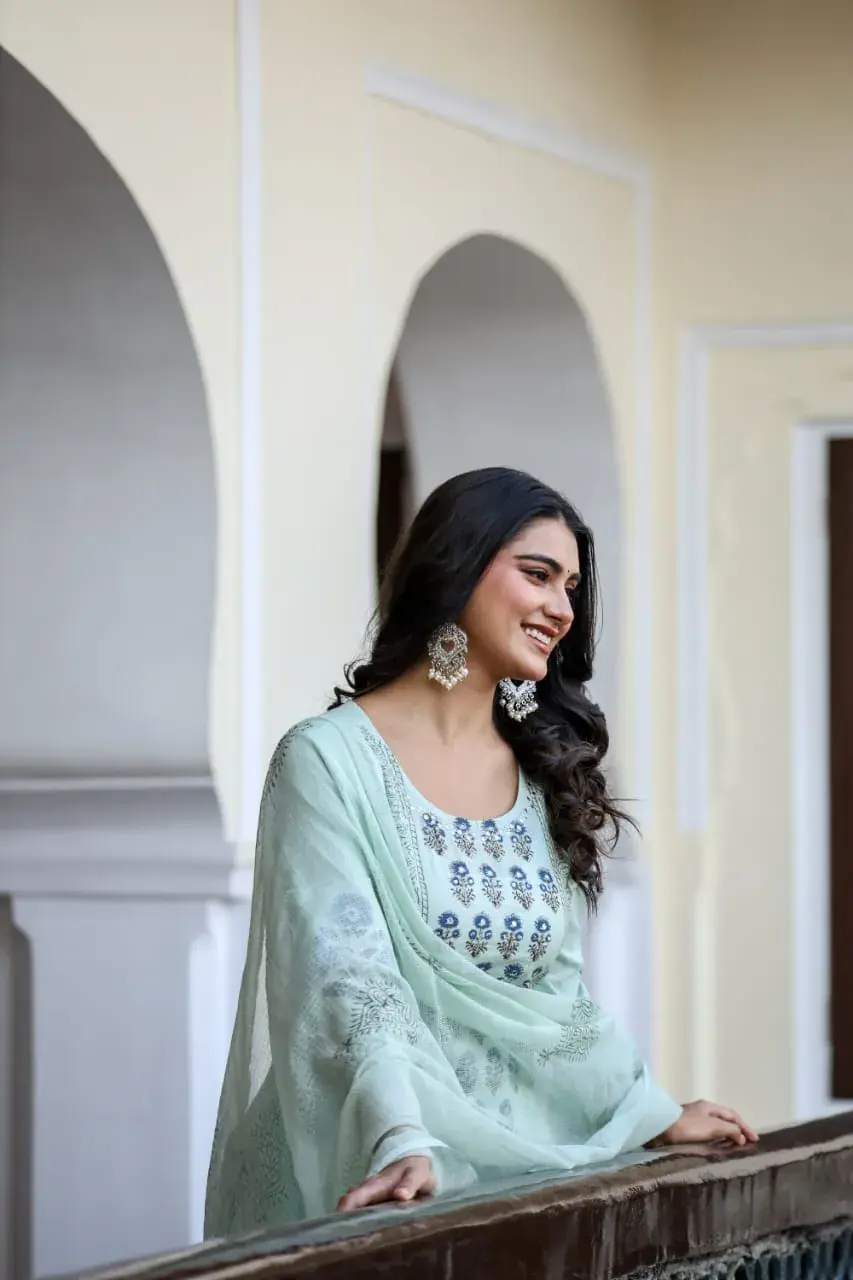
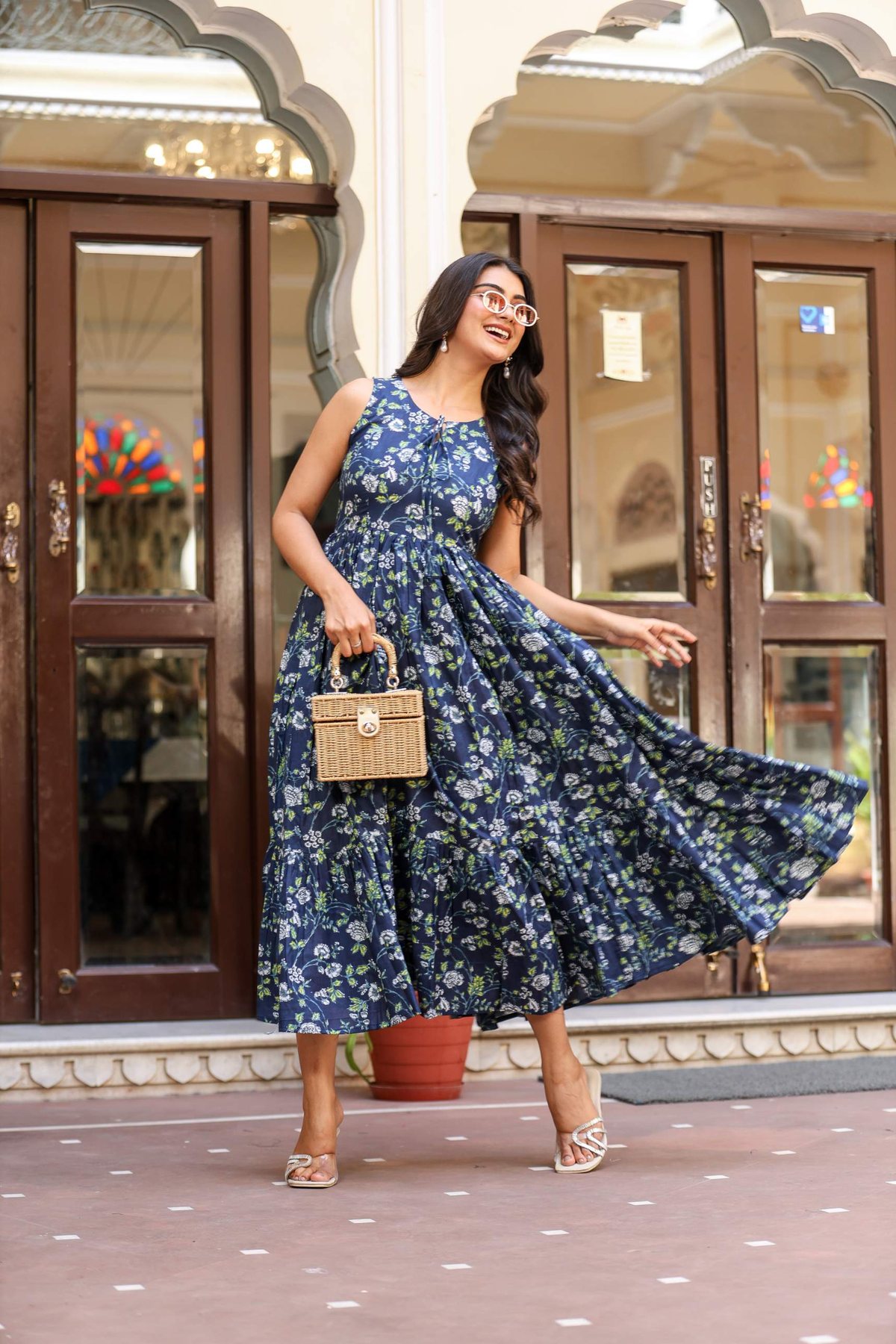
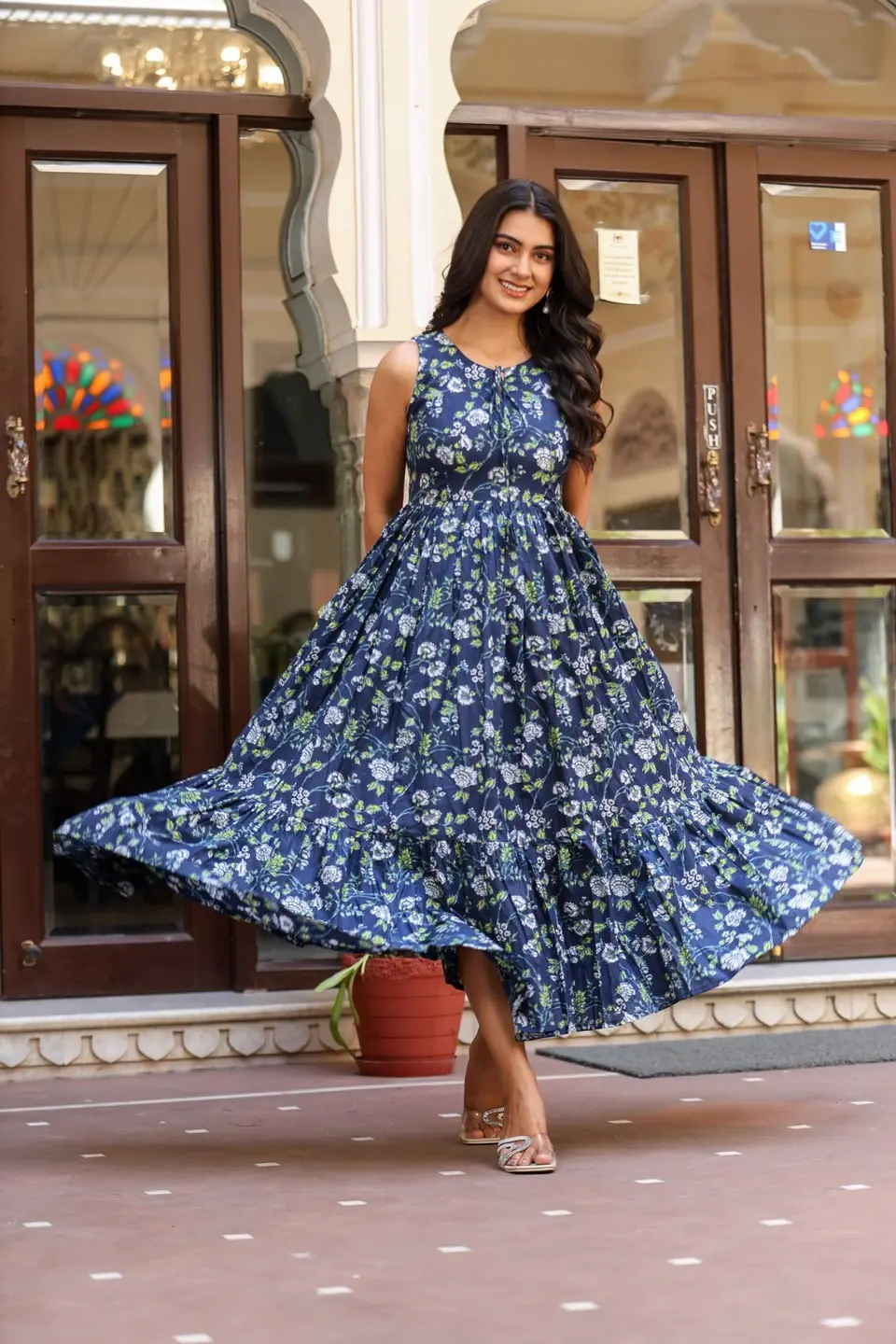
A genuine maker will happily tell you where and how the fabric was printed. At Bahe Kurtiz, our fabrics are block printed by karigars in Jaipur and stitched in our own unit.
Why the 'imperfections' are a good thing
The small variations are not flaws – they show that a person made your outfit by hand. No two pieces are exactly alike.
Made to measure, shipped worldwide
Every Bahe Kurtiz piece is made in our own Jaipur studio and can be stitched to your measurements at no extra cost. Pieces are made in 5–7 working days and shipped by express courier with tracking, usually arriving in 5–10 business days in the USA, UK, Canada, UAE and Australia. Browse the collection or message us on WhatsApp if you need help choosing.