In this article
As the sister of the bride, you should look like the second most important woman in every photo, while working harder than anyone else in the room. That means outfits a step dressier than the guests, never competing with the bride, and comfortable enough to run, carry trays, fix her dupatta and still lead the dance. Here is a function-by-function plan.
The sister's dress code, in one sentence
Dress up, but not into the bride's lane. Ask her early what she is wearing for each function, then choose a colour that complements it rather than matches it. If she is in yellow for the haldi, try mint or white with yellow details. If her reception look is ivory and gold, go for a rich jewel tone so you stand apart in group photos.
You will also be in more pictures than almost anyone, often standing right beside her, so fit and finish matter. Wrinkled dupattas and slipping necklines show up in every frame.
Here is a quick plan for each function:
| Function | What you are doing | Silhouette | Colour idea | |---|---|---|---| | Haldi | Applying haldi, getting splashed | Short kurti or cotton set | Yellow with a contrast, mint, white | | Mehndi | Hosting, dancing, managing the artist | Kurta set with light dupatta | Green, rani pink, coral | | Sangeet | Performing, maybe a choreographed dance | Flared Anarkali | Royal blue, violet, wine | | Wedding | Rituals: joota chupai, kanyadaan support | Rich Anarkali or kurta set | Sage, lavender, peach, gold accents | | Reception | Greeting guests, speeches, photos | Your most polished look | Jewel tones or soft pastel with shine |
Haldi and mehndi: pretty but practical
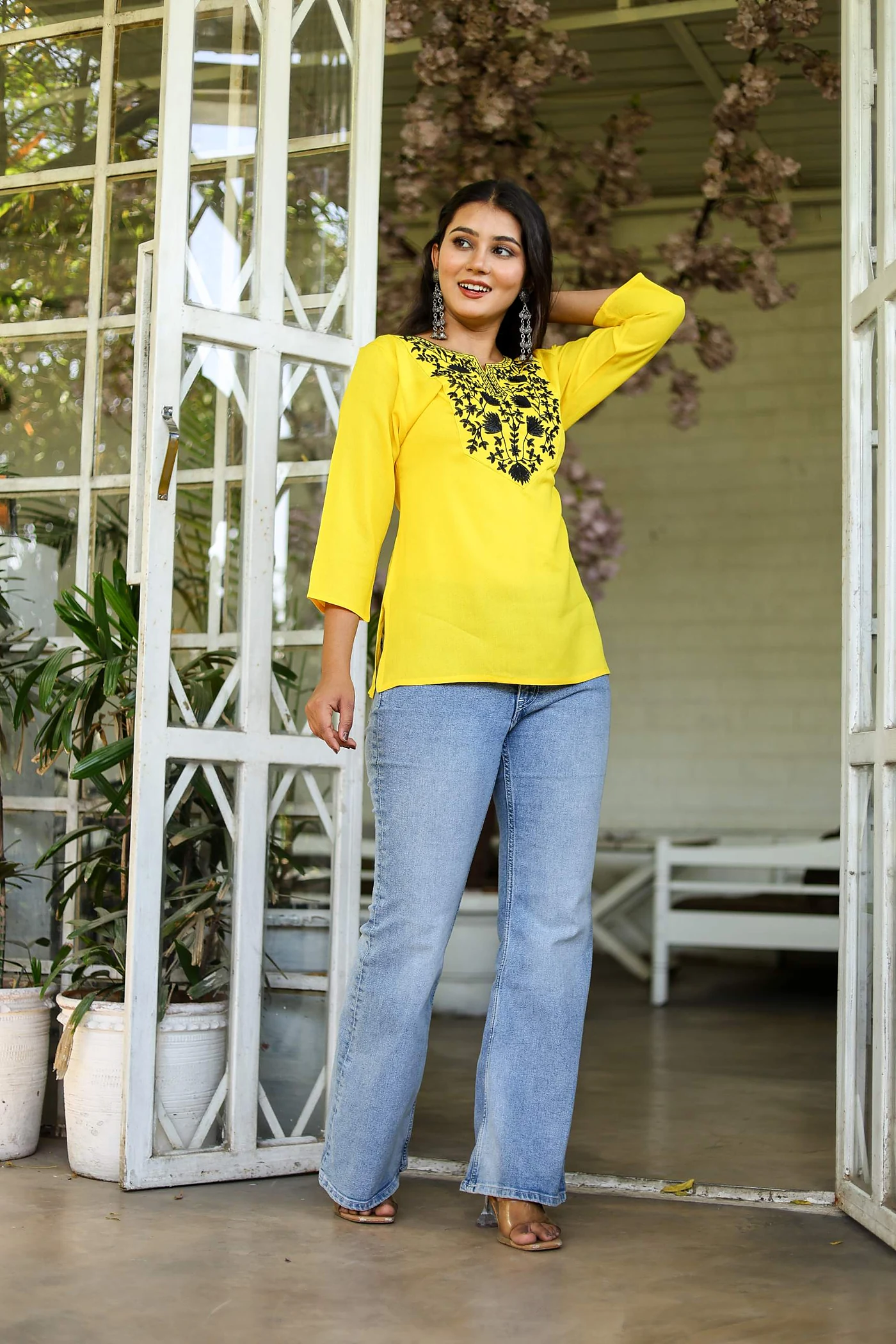
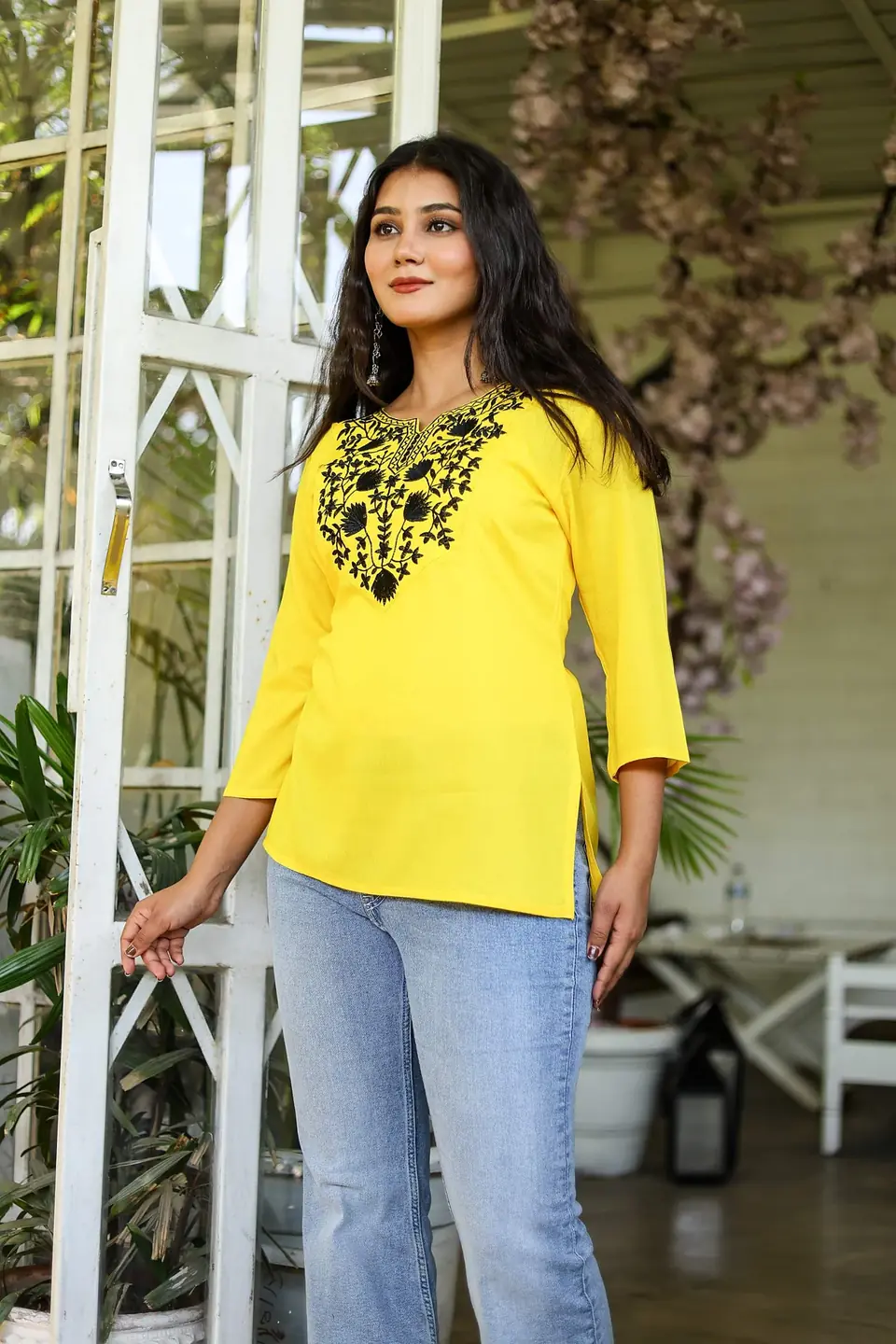
At the haldi, you are not a spectator. You will be smearing turmeric and probably getting some back. A washable cotton piece is the only sensible choice. The Yellow Embroidered Cotton Tunic Top with Black Floral Yoke is a cheerful, easy option with white palazzos or pants, and at $27 you will not mourn a haldi stain.
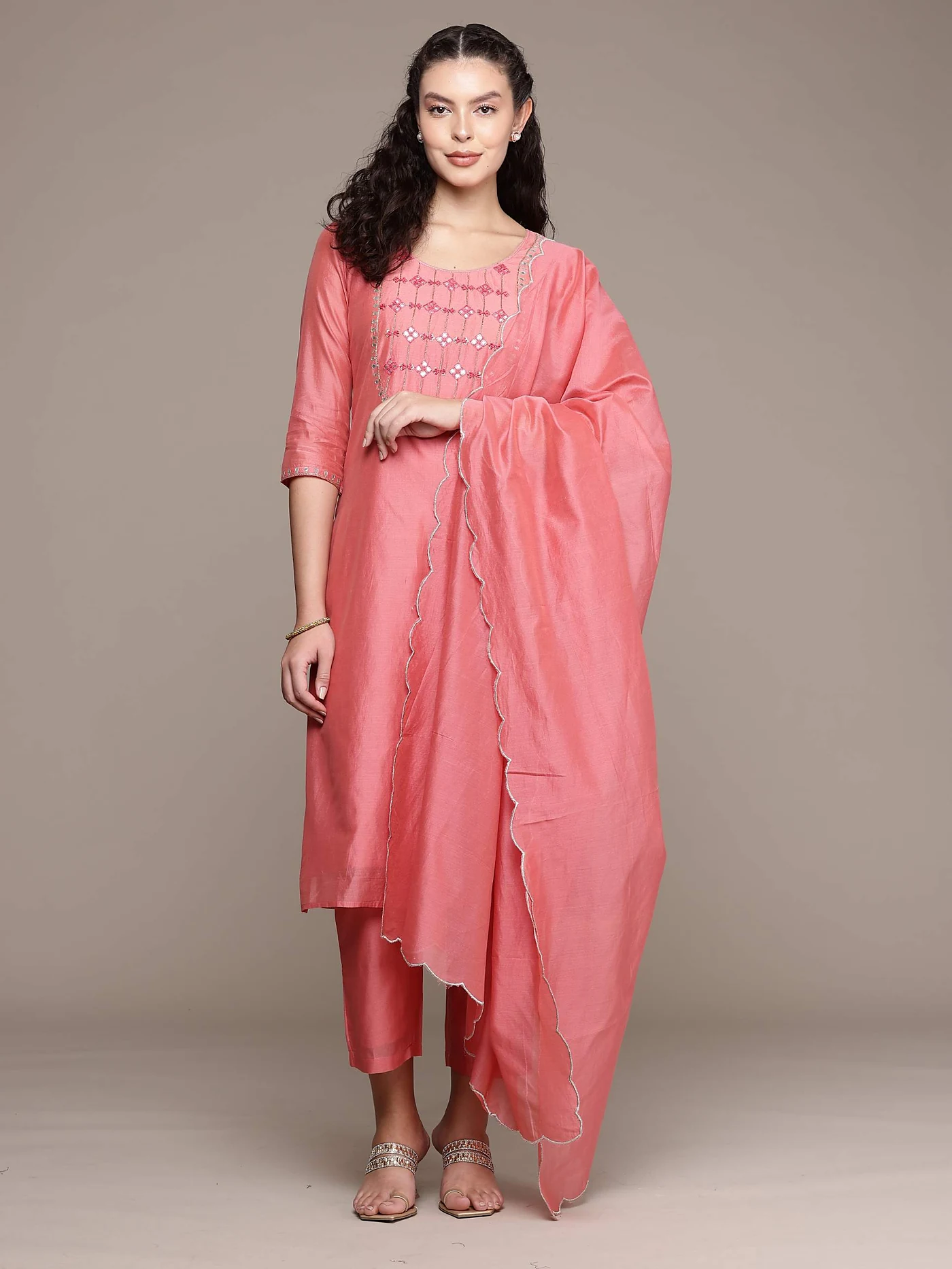
For the mehndi you are often a host, greeting aunties and making sure the henna artist has everything. A kurta set with a light dupatta lets you move freely. Pick a colour that looks fresh beside the bride's green or multi-colour outfit.
Sangeet: dress for the performance
If you are dancing, rehearse in your outfit or at least in something with the same cut. A flared Anarkali gives you movement and drama on stage. Check that the armholes are not tight and that the dupatta can be pinned or tied off for the routine.
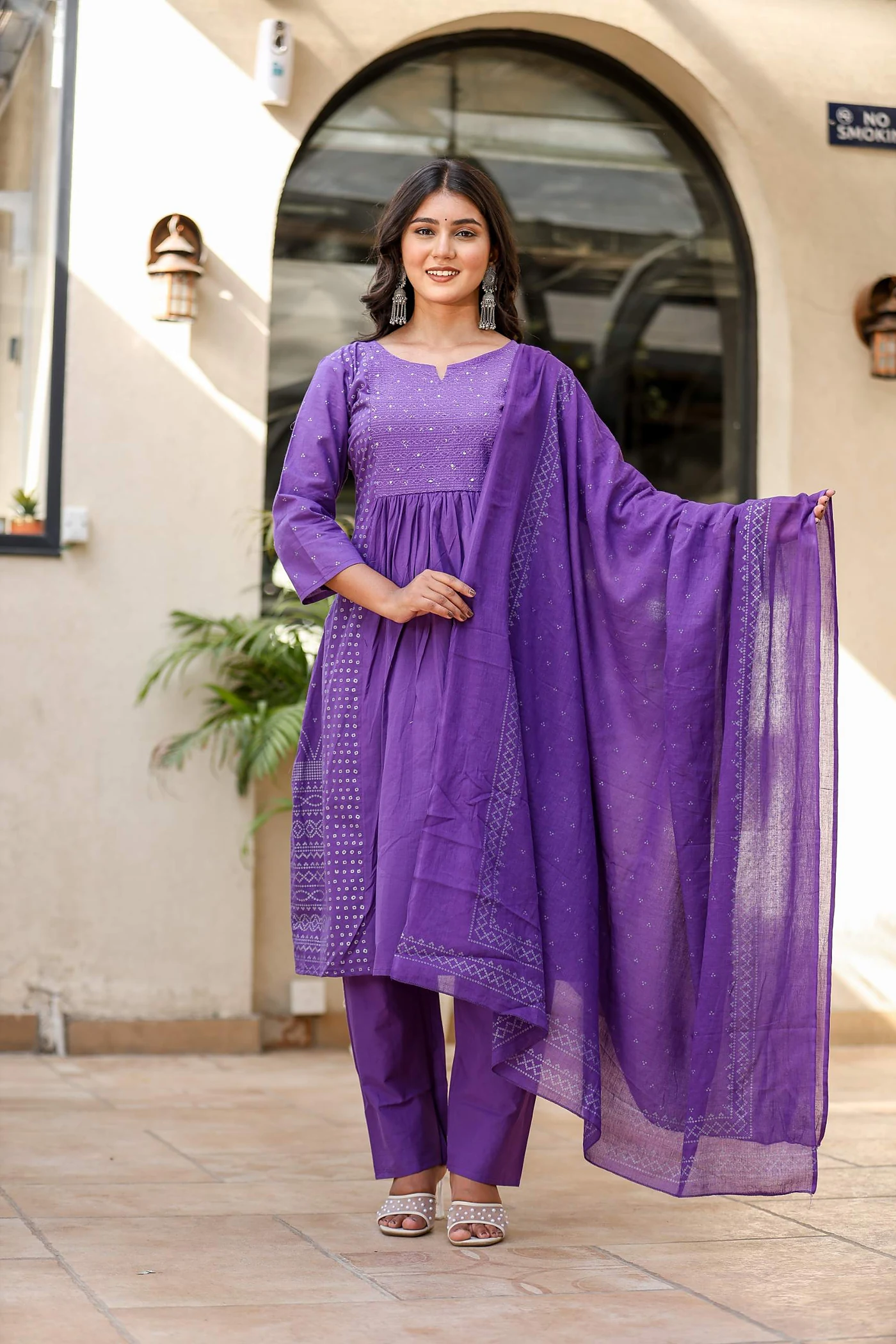
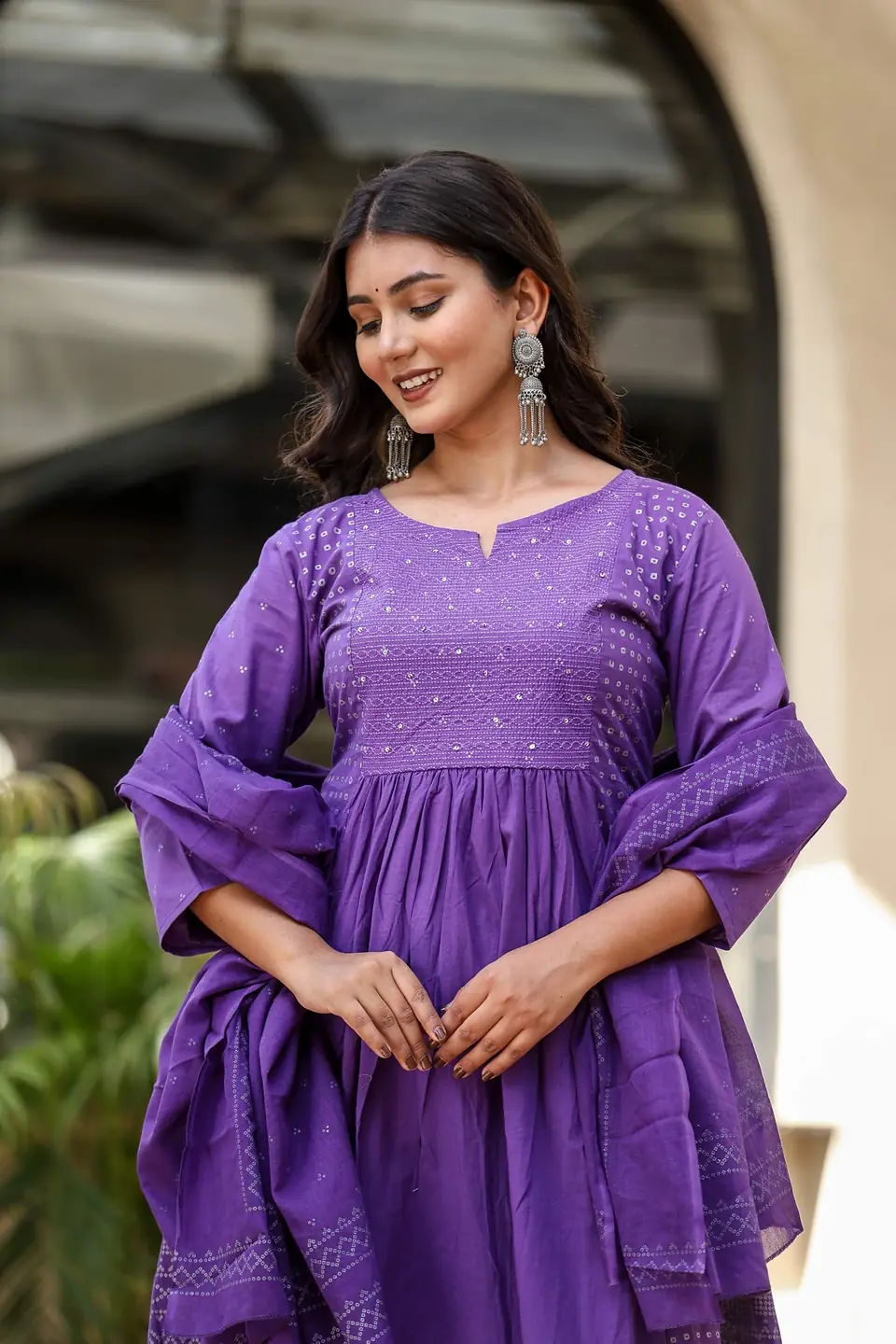
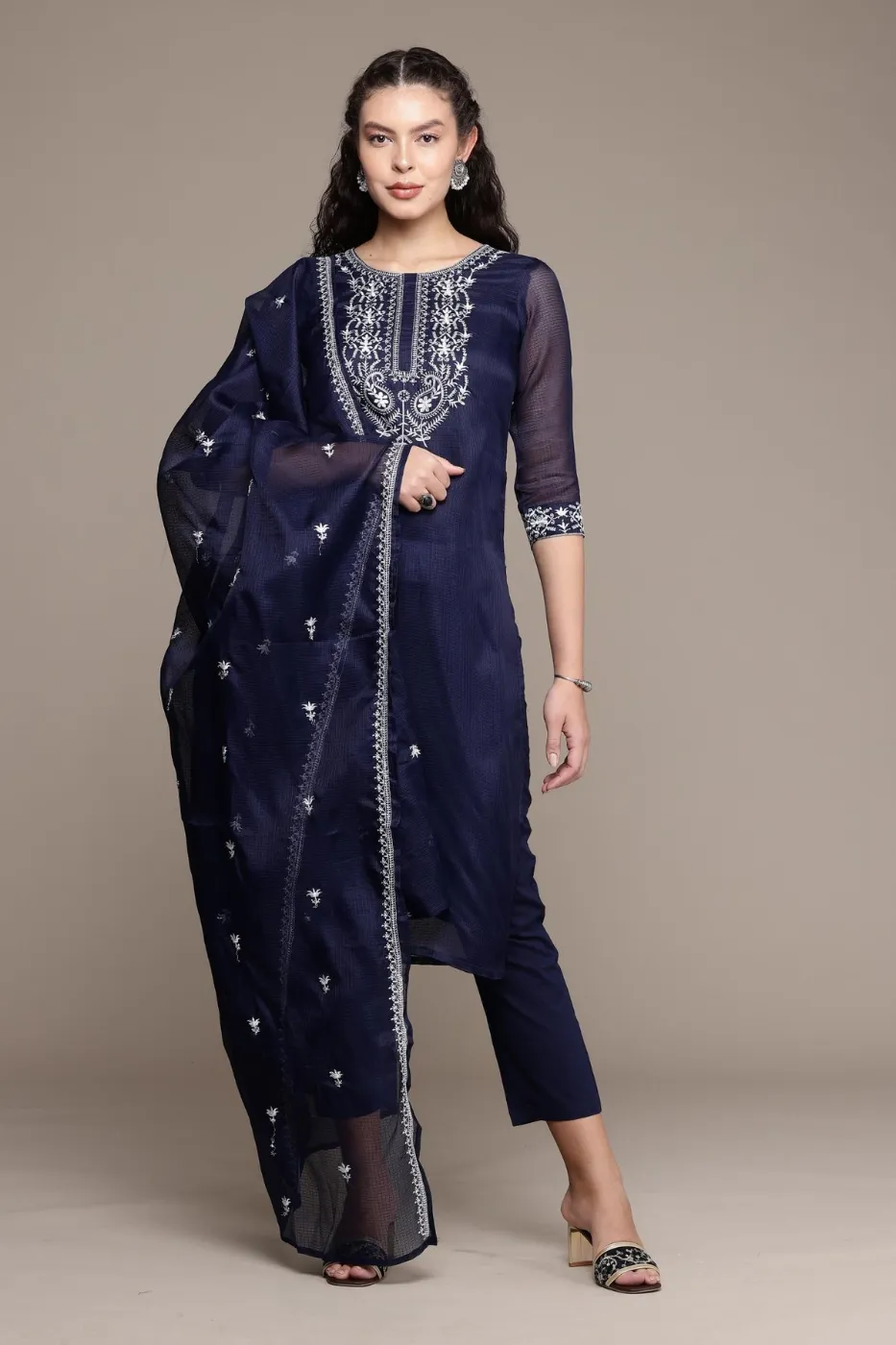
The Violet Nyra Cut Sequin Embroidered Suit Set is a fun sangeet choice. The sequins catch stage lights, and the nyra cut gives a flattering, slightly flared shape without the weight of a full Anarkali. Prefer full flare? The royal blue georgette Anarkali with gota dupatta is made for twirling.
The wedding day: your most meaningful outfit
On the wedding day, you will be part of the rituals: standing beside your sister at the pheras, helping during kanyadaan, and playing the joota chupai game with the groom's side. You will be standing, sitting, hiding shoes and negotiating, all in one outfit.
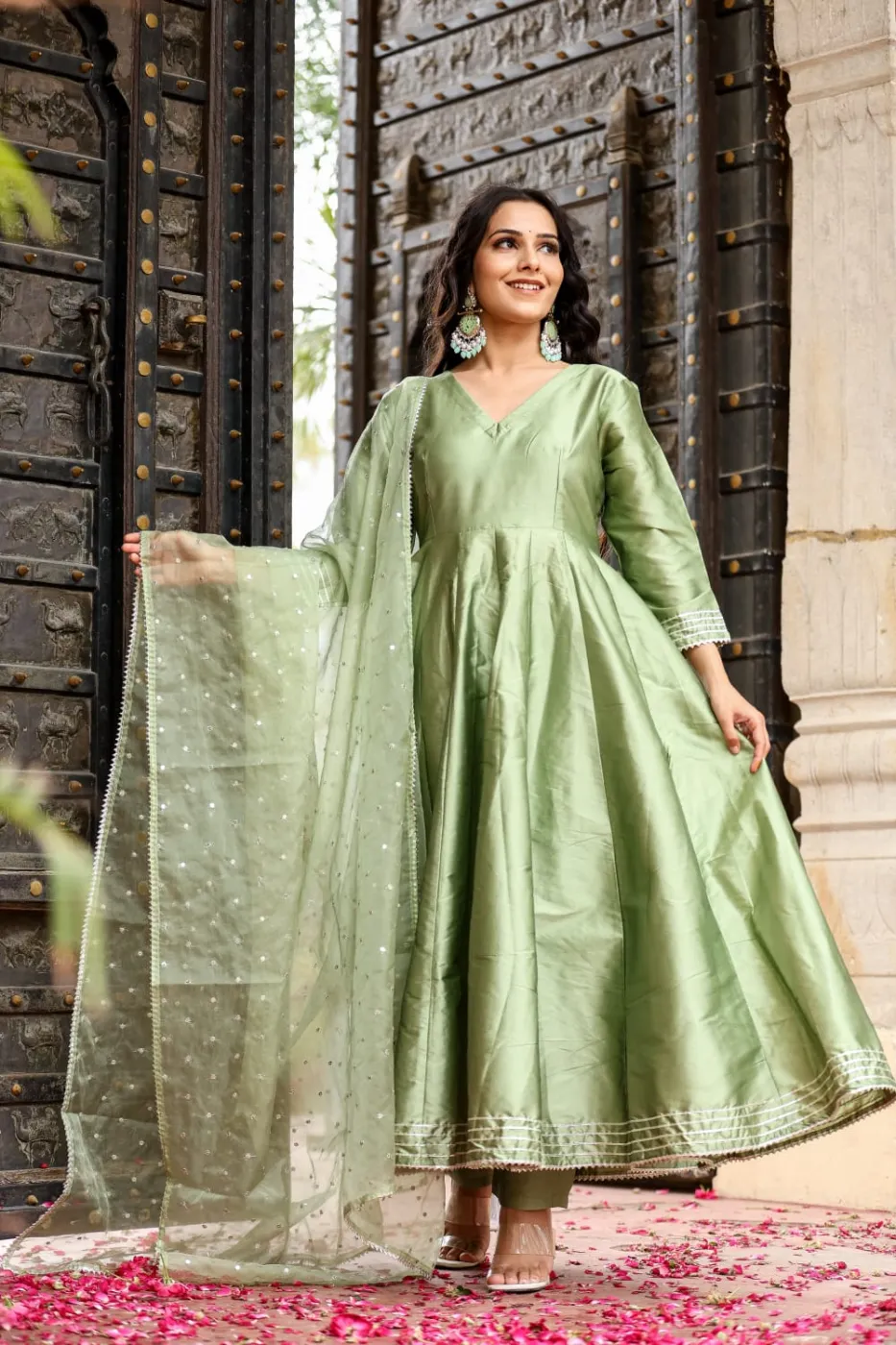
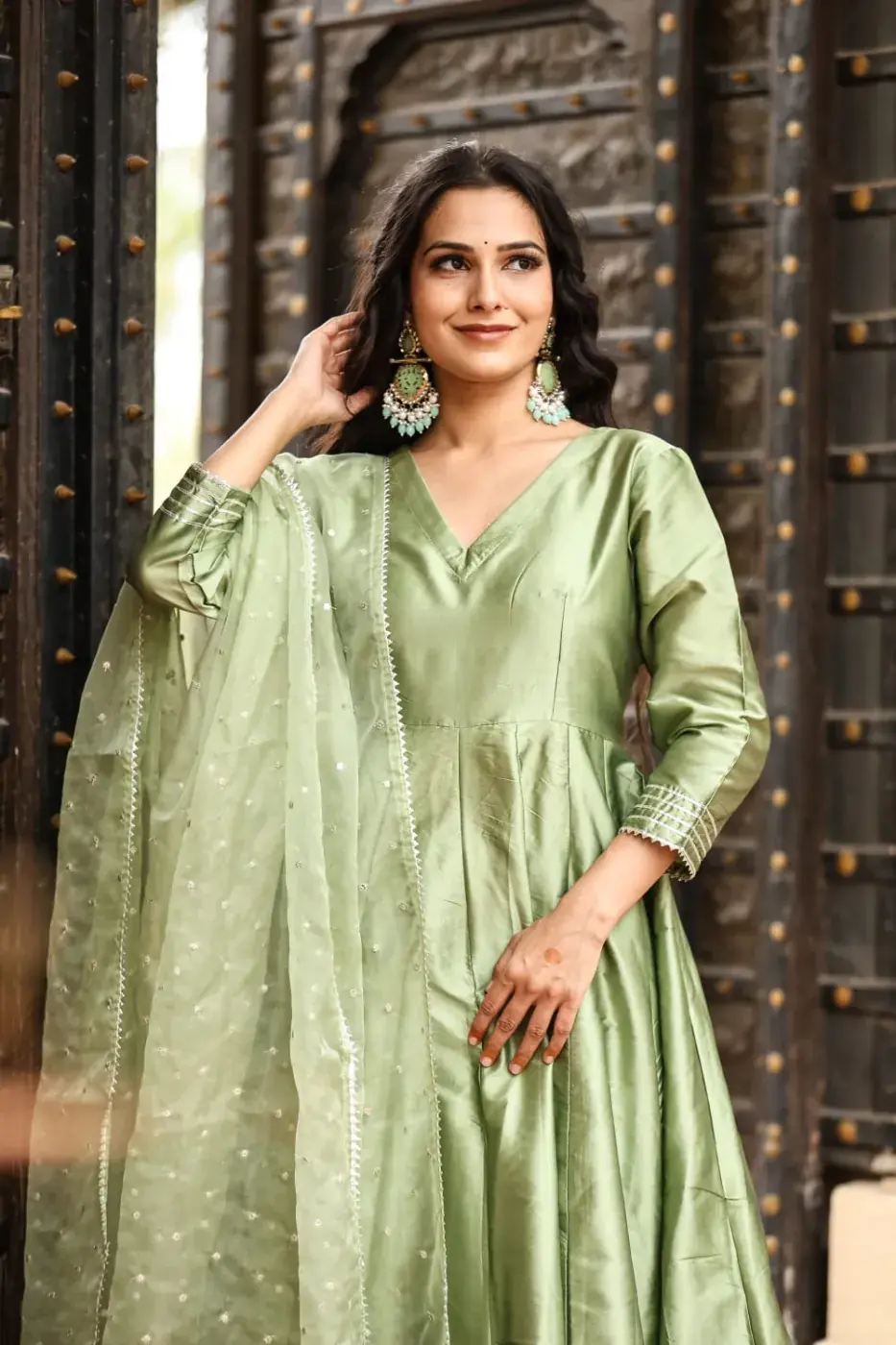
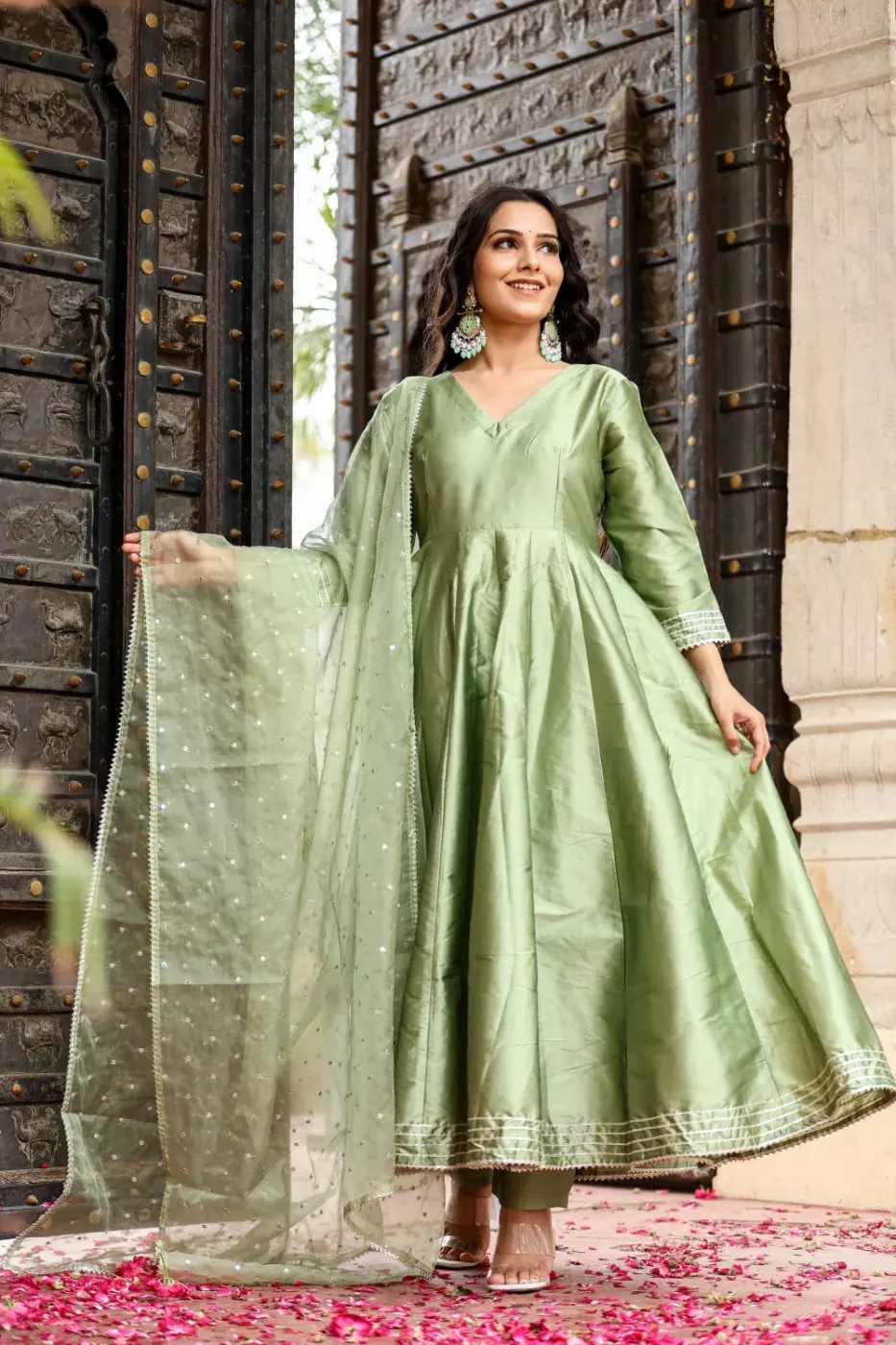
Choose something rich but light. The Sage Green Taffeta Silk Gota Work Anarkali has the shine and handwork the day deserves, and the sage colour sits beautifully beside a red or pink bride. Pin your dupatta firmly at the shoulder, because you will be bending, carrying and hugging all day.
Reception: polished and photo-ready
The reception is about photos and greeting guests, so this is where a crisp, elegant look pays off. If you wore a deep colour for the wedding, switch to something lighter, or the other way round, so your two big outfits look different in the album.
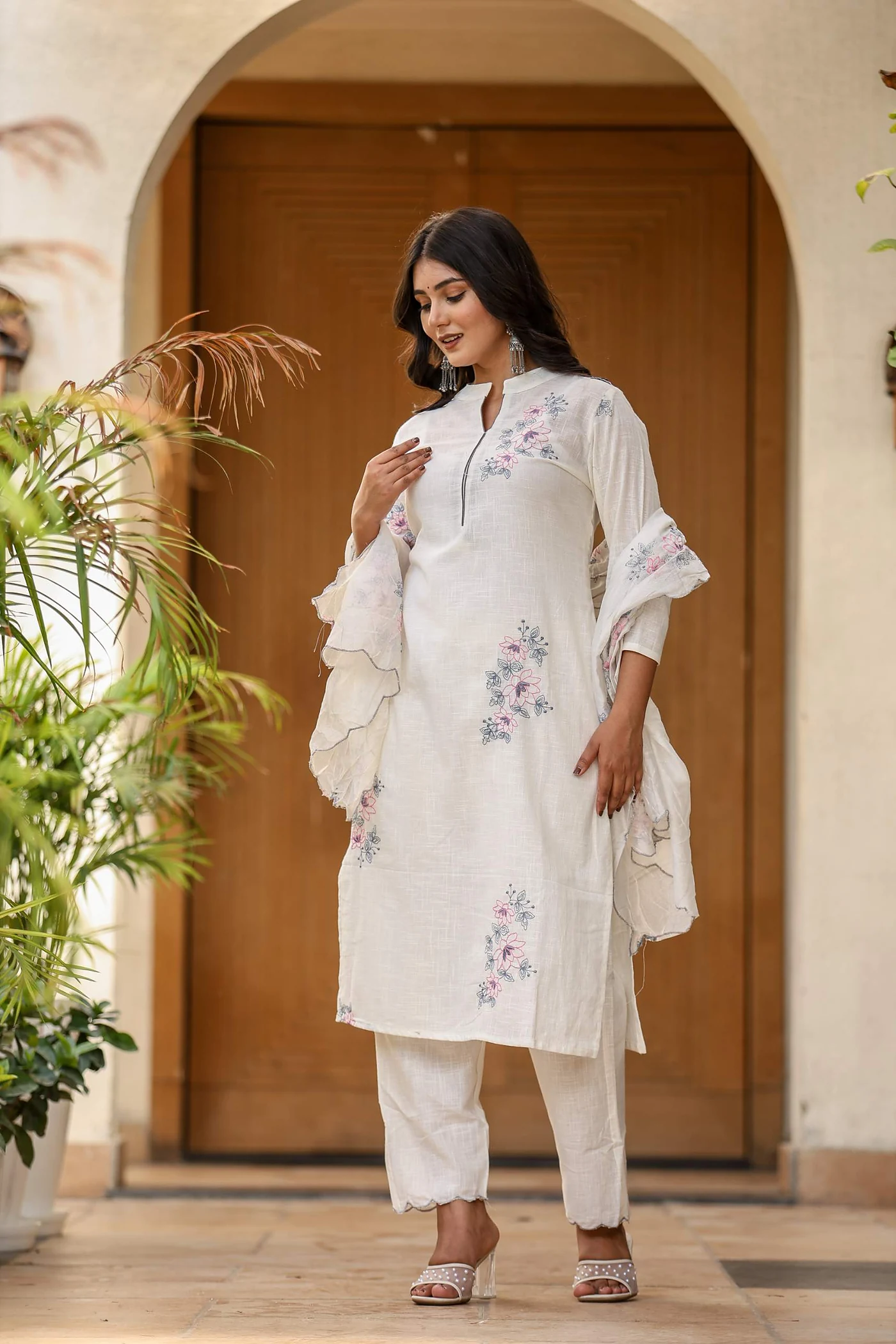
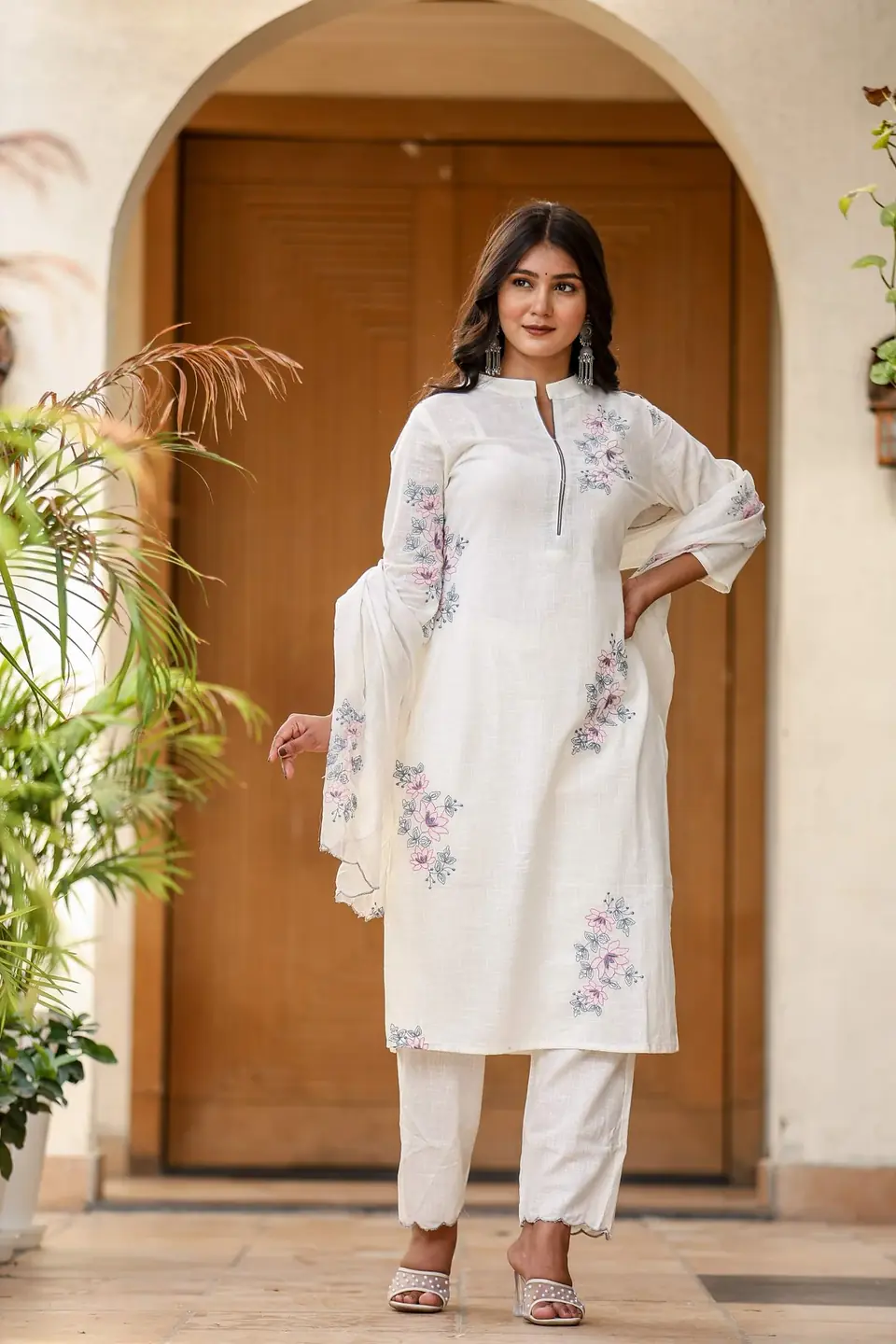
The Off-White Embroidered Kurta Set with Cutwork Organza Dupatta is graceful for a daytime or garden reception, but check first that the bride is not in ivory. For an evening reception, a jewel-toned Anarkali with statement earrings is hard to beat.
Sister-of-the-bride survival tips
- Order early. You have five outfits to sort out and a wedding to help plan. Made-to-measure takes 5 to 7 working days plus 5 to 10 business days of delivery, so order at least 3 to 4 weeks ahead. Earlier is kinder to yourself.
- Get the fit right. Our how to measure guide shows you how to take bust, waist, hip and height at home, and we stitch to measure for free.
- Pack a bag for the bride and one for you: safety pins, tissues, snacks, a phone charger and comfortable flat shoes.
- Repeat jewellery. One gold set and one oxidised set can cover all five functions.
Frequently asked questions
What colour should the sister of the bride wear? A colour that complements the bride's outfit for each function, never the same shade. Jewel tones and soft pastels both work well.
Should the sister of the bride wear an Anarkali or a lehenga? Either works. An Anarkali is easier to move in when you have a lot of duties, and it still looks festive.
Can the sister of the bride wear white? For day functions, off-white with embroidery is fine, provided the bride is not wearing ivory that day.
How many outfits does the sister of the bride need? Usually one per function, so four or five. You can restyle one or two with a different dupatta and jewellery.
Planning your outfits around your sister's looks? WhatsApp us and we will help you build the full set.