In this article
At a Rajasthani or Marwari wedding, the rule for guests is simple: more colour, more shine, more joy. Gota patti, bandhani and leheriya are the signature details, and bright shades like rani pink, mustard, royal blue and parrot green are not just allowed but expected. Choose an Anarkali or kurta set with gota or tie-dye, cover your head with your dupatta when elders are around, and you will look like you belong.
Writing from Jaipur, where these weddings happen
Our workshop is in Jaipur, so Rajasthani weddings are something we see every season, from the haveli courtyards to the marriage gardens on the city's edge. Marwari families in Kolkata, Mumbai, Dubai or New Jersey carry the same traditions with them: several days of rituals, a lot of family, and a deep love of colour and handcraft.
Common functions include:
- Tilak - the bride's family formally welcomes the groom. Mostly a men's ritual, but women attend in festive clothes.
- Haldi or ban - turmeric ceremonies, sometimes over several days.
- Mehndi - henna and folk songs, with plenty of ghoomar dancing.
- Mahira or bhaat - the maternal uncle's family brings gifts. Very festive.
- Mahila sangeet - a women-led evening of songs and dance.
- Phere - the wedding ceremony, usually late in the evening or at night.
- Reception - increasingly common, especially in cities and abroad.
The three Rajasthani details worth wearing
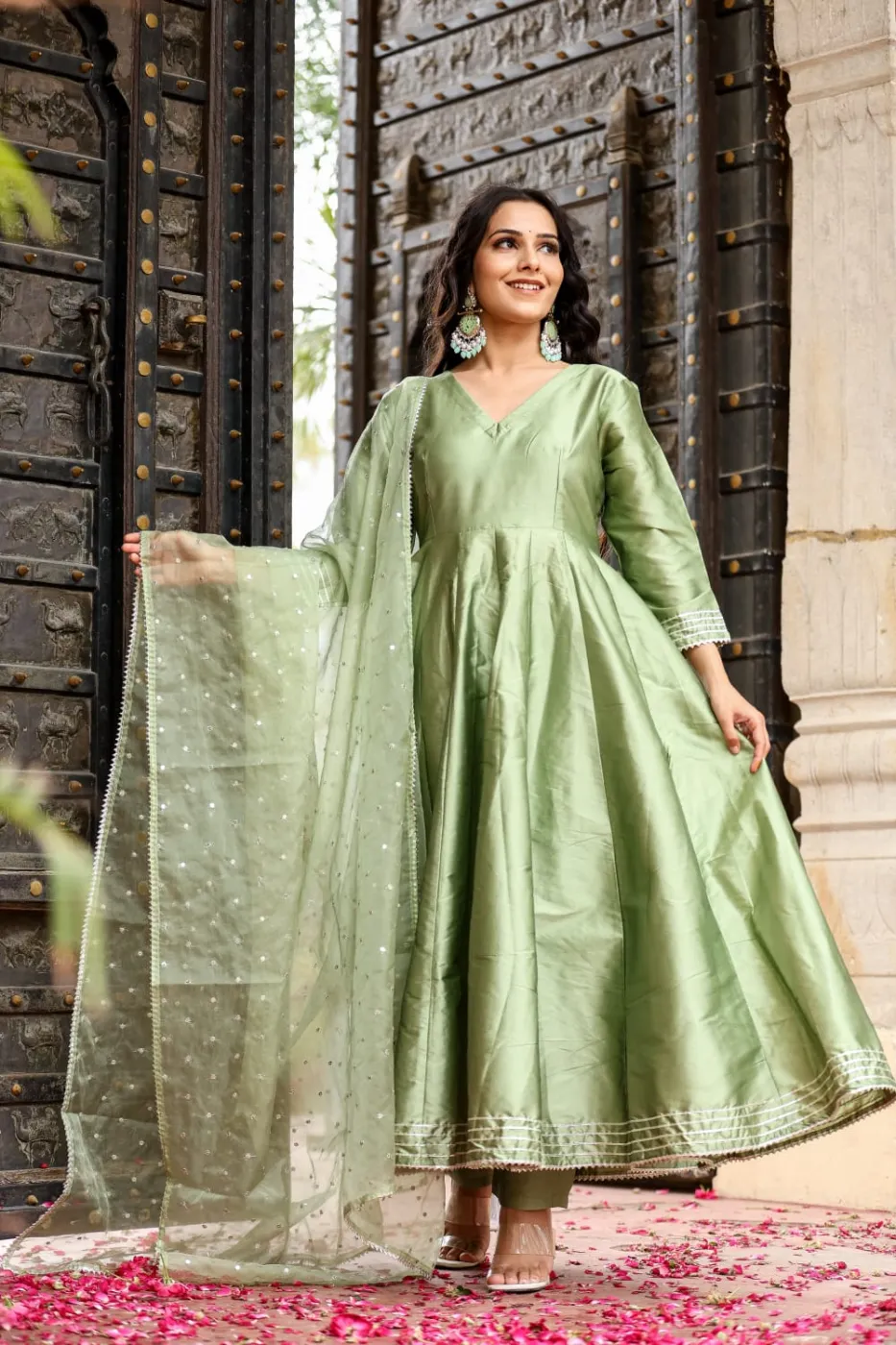
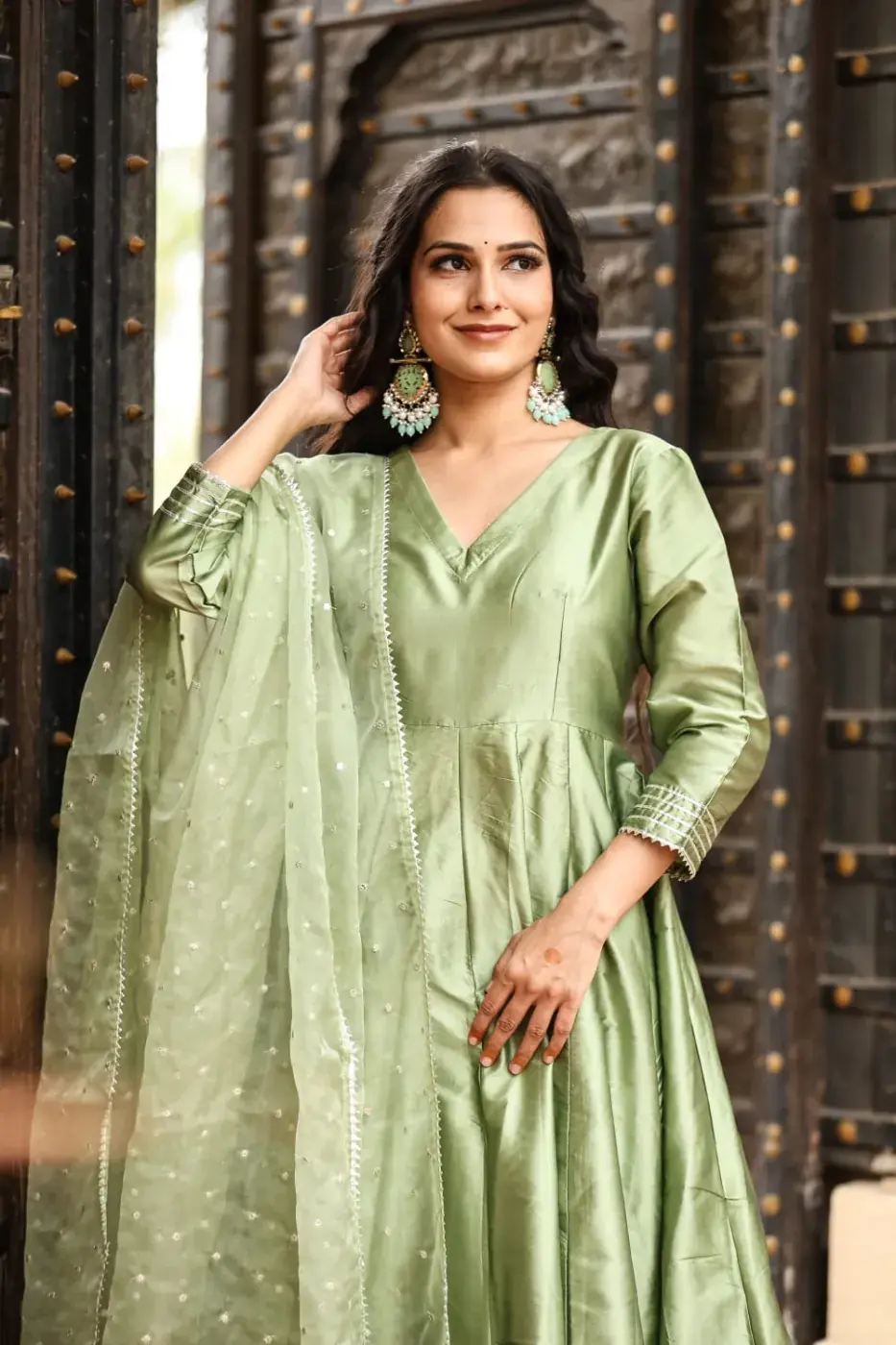
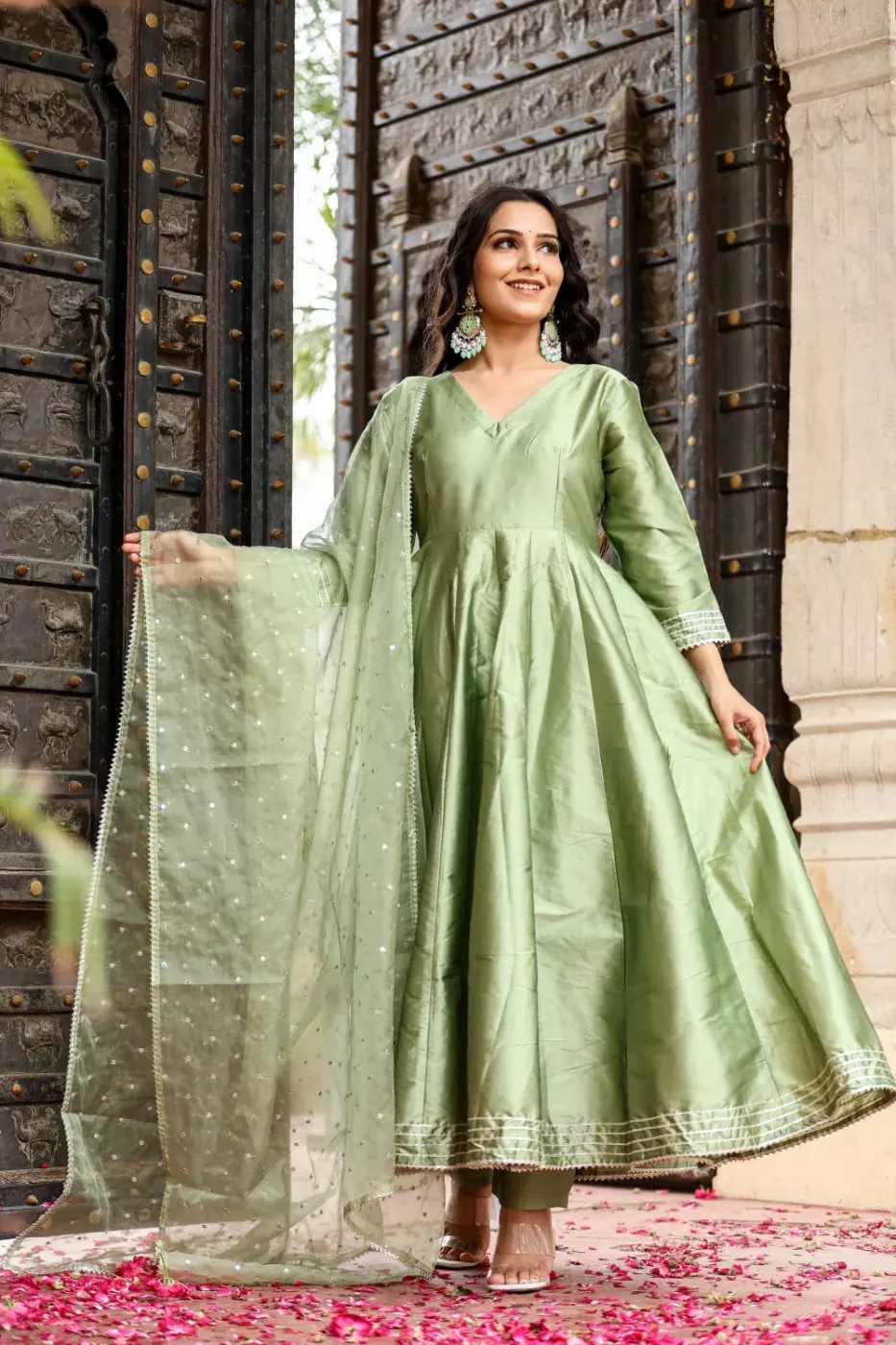
Gota patti. Gota is a ribbon of gold or silver metallic lace, cut into shapes and hand-stitched onto fabric. It catches lamplight beautifully and is the single most Rajasthani detail you can wear. The Sage Green Taffeta Silk Gota Work Anarkali shows how gota on a soft colour looks rich without feeling heavy.
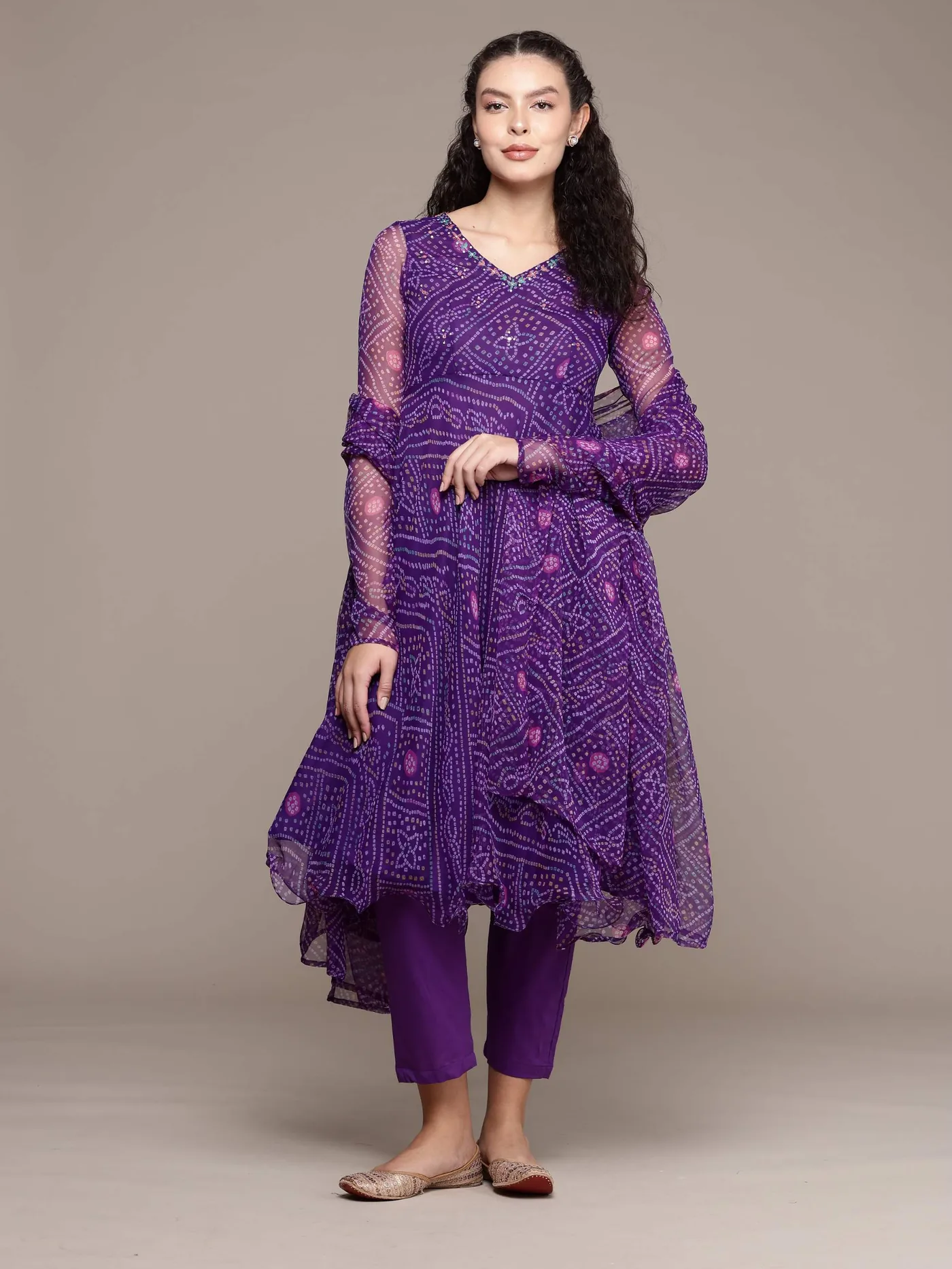
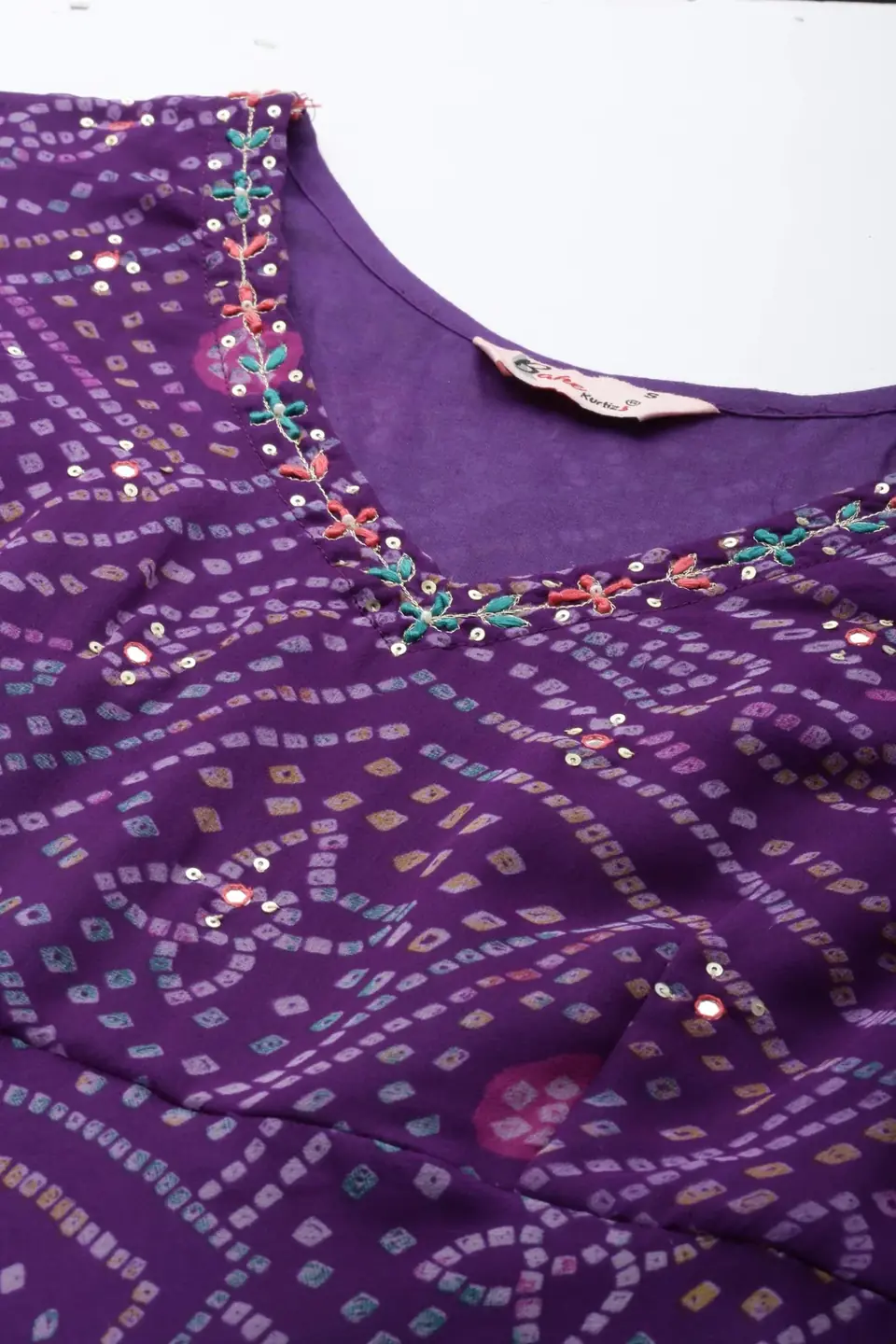
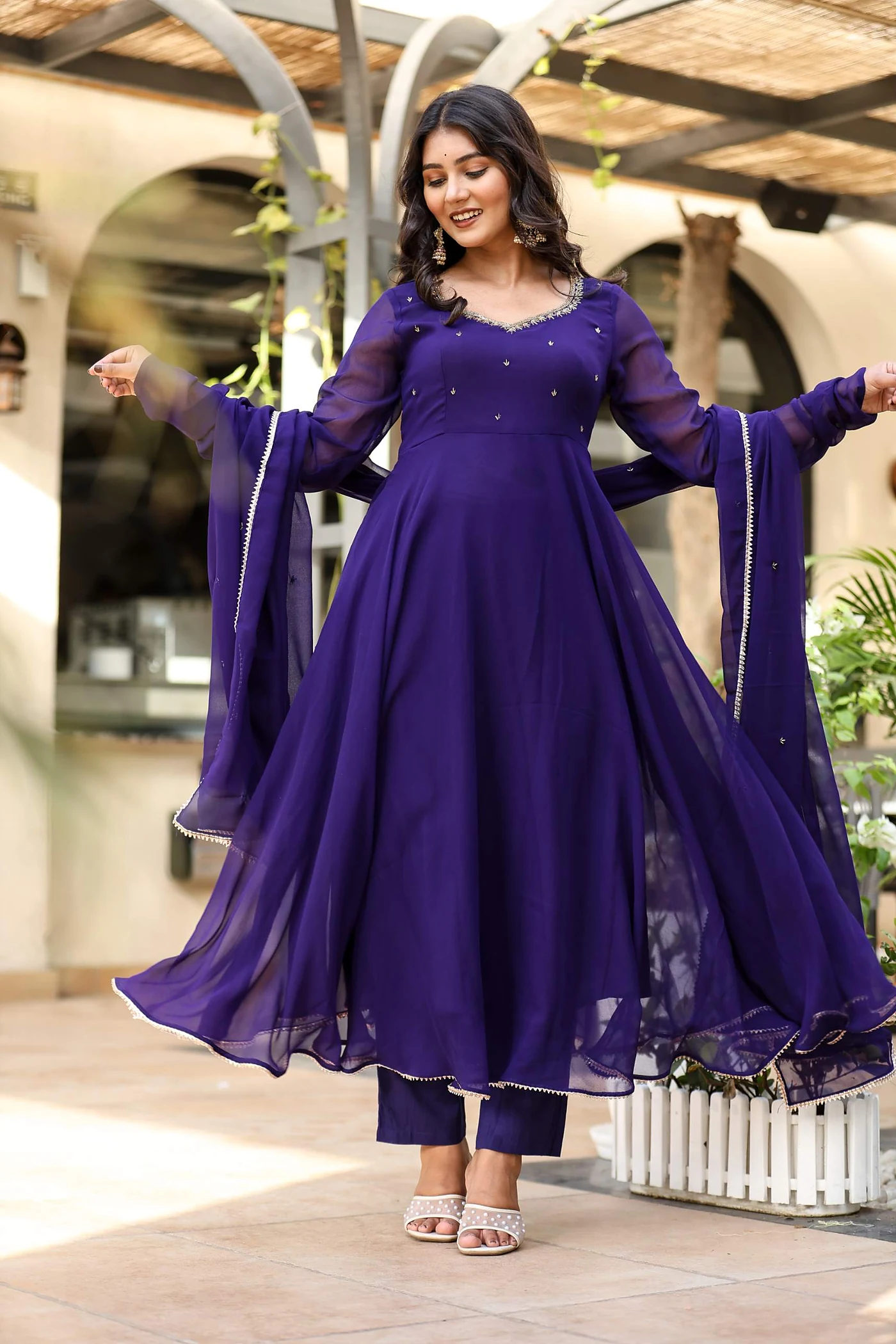
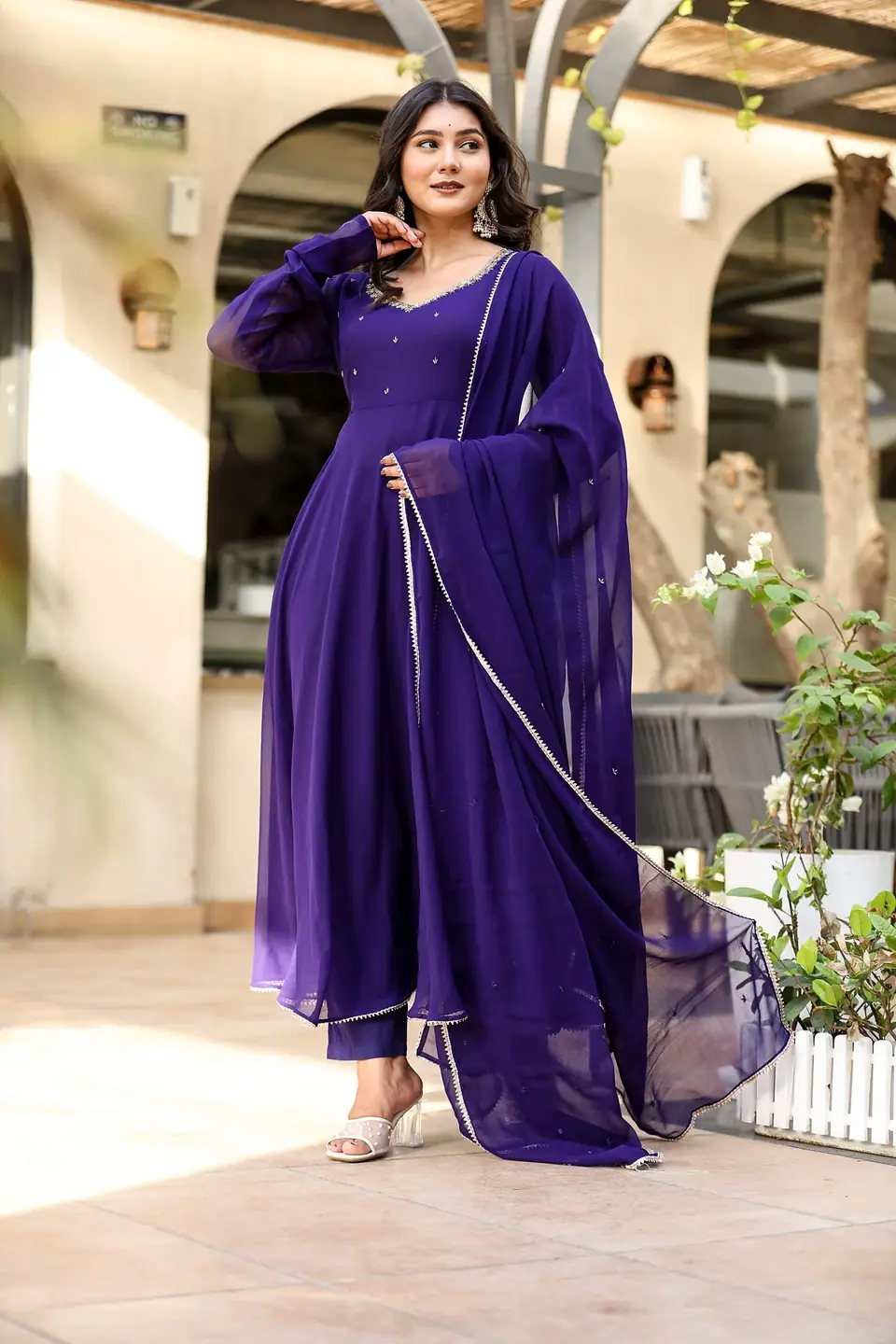
Bandhani. Tiny dots created by tying fabric before dyeing. In Rajasthan and Gujarat, bandhani is tied to celebration and is worn at almost every wedding. The Purple Bandhani Chiffon Anarkali Suit Set is an easy way to wear it for the mehndi or sangeet.
Leheriya. Wave-like diagonal stripes, traditionally worn in the monsoon but seen year-round at weddings. A leheriya dupatta over a plain kurta is a clever way to add the look.
Colours: go bright and go bold
Rajasthan is a desert state, and its clothing answers the sand with colour. Pale beige and greige rarely appear at a wedding here.
| Function | Colours that feel right | Suggested look | |---|---|---| | Haldi / ban | Yellow, mustard, mint | Cotton kurta set or short kurti | | Mehndi | Green, rani pink, orange | Bandhani or embroidered kurti | | Mahira / bhaat | Pink, red-orange, royal blue | Gota work kurta set or Anarkali | | Mahila sangeet | Purple, fuchsia, emerald | Flared Anarkali for ghoomar | | Phere | Royal blue, wine, deep teal | Rich Anarkali with gota dupatta | | Reception | Lavender, sage, jewel tones | Taffeta silk or georgette Anarkali |
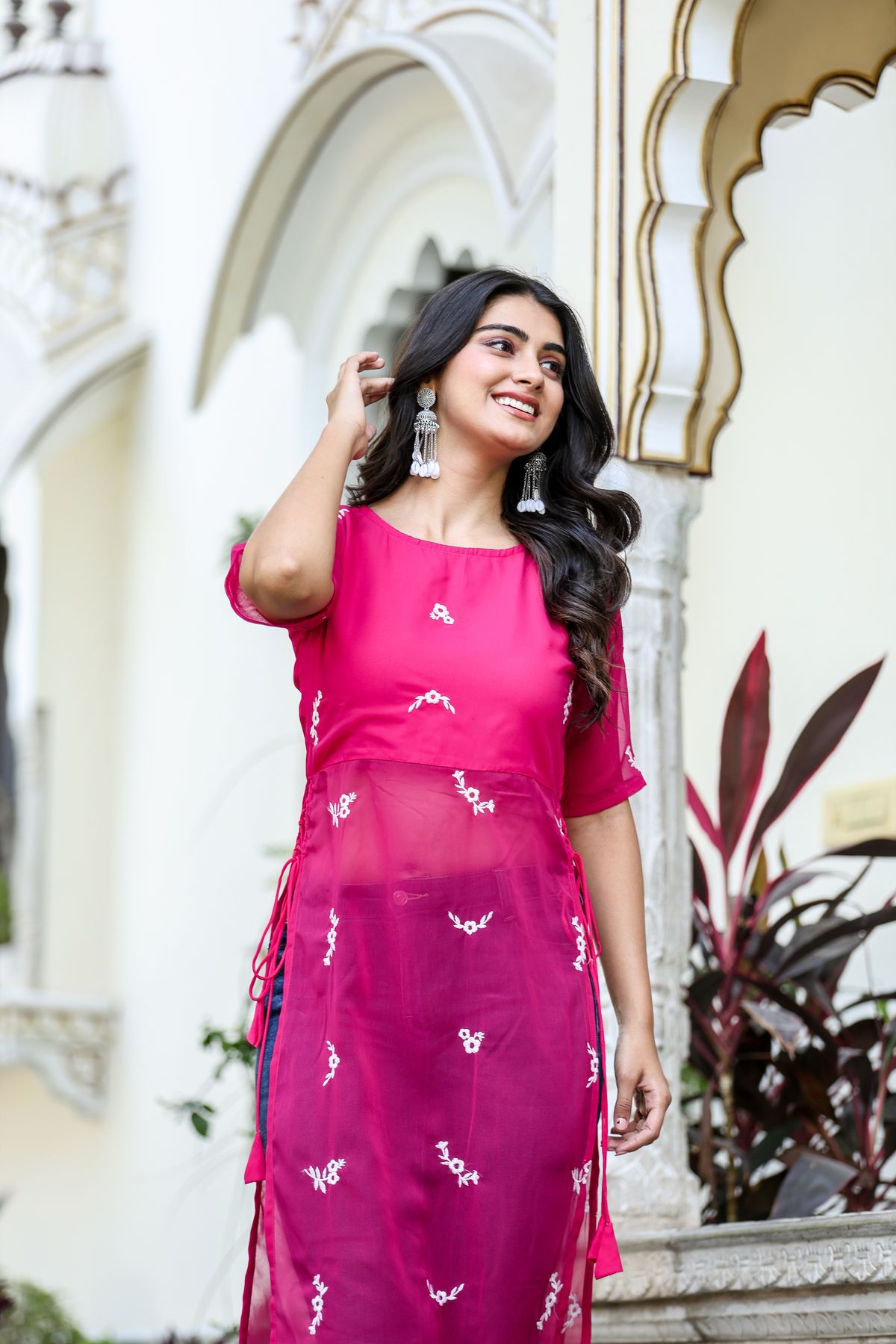
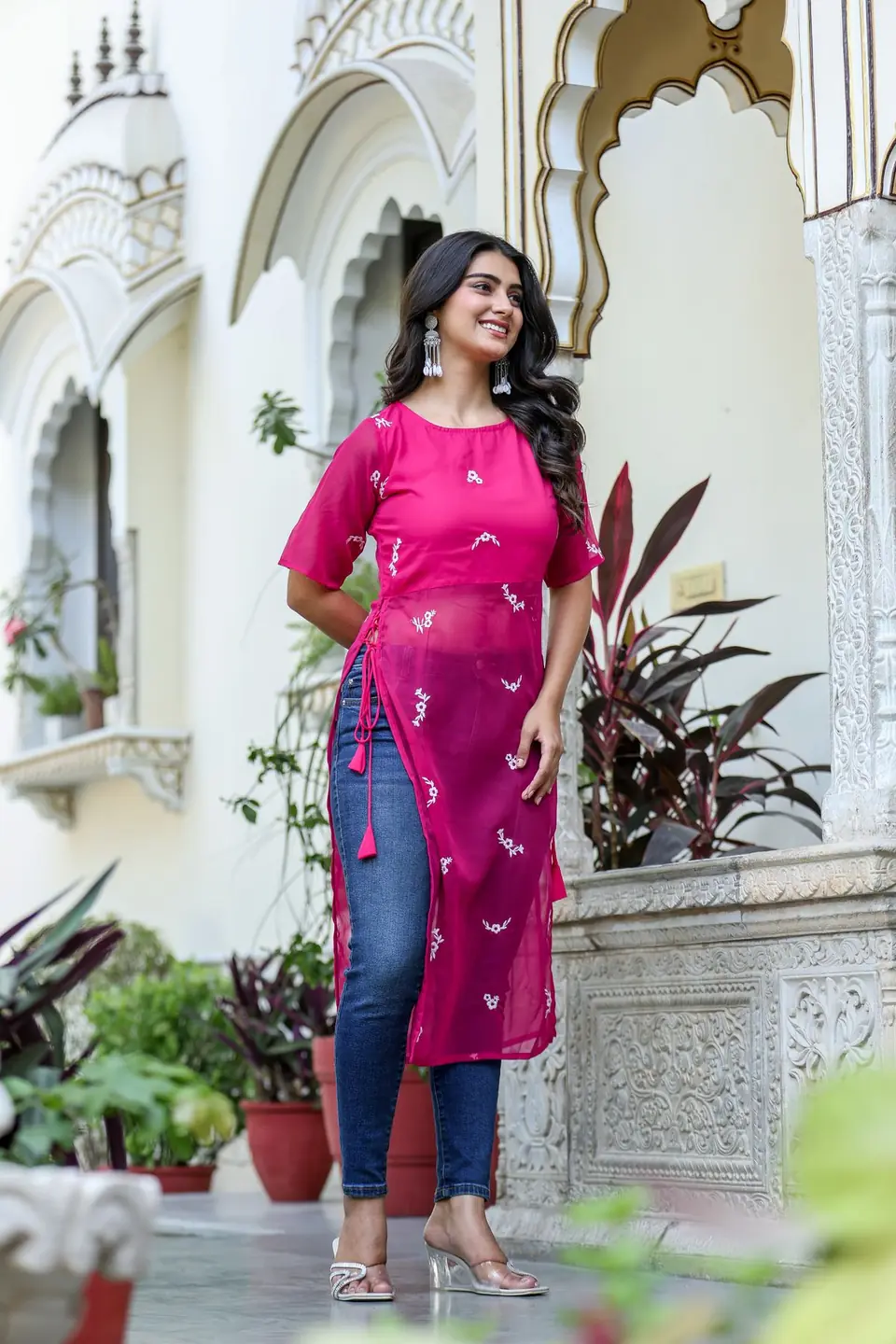
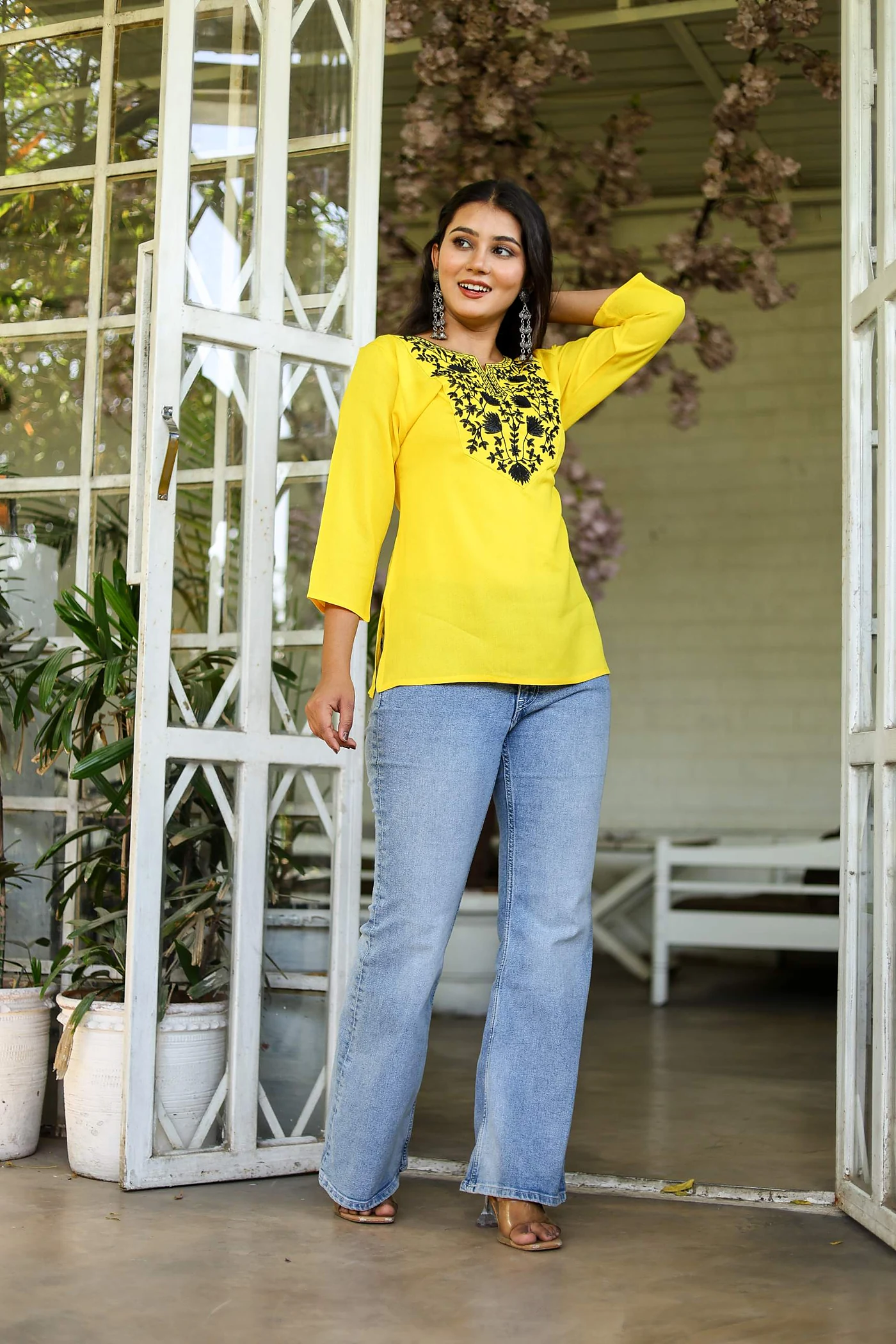
Rani pink deserves special mention. It is perhaps the most loved colour in Jaipur, and a Rani Pink Embroidered Kurti paired with a bandhani or leheriya dupatta is a quick, inexpensive mehndi look.
As with most North Indian weddings, leave the deep bridal red to the bride and avoid all-black and all-white.
Dressing for ghoomar and the late-night pheras
Ghoomar is the swirling women's dance you will see at the mehndi and sangeet. If someone pulls you into the circle, a wide Anarkali flare is what makes the spin look magical. Georgette and chiffon swing beautifully; taffeta holds a fuller, more structured shape.
The pheras in Marwari families often run late into the night. Choose an outfit you can sit in for a long time, and carry a light shawl because desert nights in December and January get genuinely cold. The Royal Blue Georgette Anarkali with Gota Lace Dupatta is a strong phere choice: deep colour, a proper gota border on the dupatta, and comfortable georgette.
Etiquette and styling touches
- Head cover. In many Marwari families, married women cover their heads with the dupatta or odhni in front of elders, especially during rituals. As a guest, keep your dupatta handy and follow what the women of the family do.
- Jewellery. Kundan, polki-style and meenakari pieces suit this wedding perfectly. A borla (maang tikka) or a statement nath is a lovely nod if you enjoy it.
- Bangles. Lac bangles are a Jaipur speciality and a beautiful addition to any outfit.
- Shoes. Embroidered juttis or mojaris are traditional and far easier to dance in than heels.
Fit and timing
Gota and taffeta look best when the fit is crisp at the shoulders and bust, because a loose fit makes structured fabric stand away from the body. You can share bust, waist, hip and height through our free custom fit service, and we stitch the outfit to measure at no extra charge. Order at least 3 to 4 weeks before the wedding to allow 5 to 7 working days for making and 5 to 10 business days for delivery.
Frequently asked questions
What is gota patti work? A traditional Rajasthani craft where metallic gold or silver lace is cut and hand-stitched onto fabric in floral or geometric patterns.
What colours should I wear to a Marwari wedding? Bright, joyful shades: rani pink, royal blue, mustard, green and purple. Avoid bridal red, all-black and all-white.
Do guests have to cover their heads at a Rajasthani wedding? It is not required for guests, but many married women do it in front of elders. Keep a dupatta ready and follow the family's lead.
Is an Anarkali suitable for a Rajasthani wedding? Yes. An Anarkali with gota or bandhani is one of the most fitting guest outfits, and it is ideal for ghoomar.
Want a gota or bandhani piece for a family wedding? WhatsApp us and we will help you choose straight from Jaipur.