In this article
If you are not Indian and have been invited to an Indian wedding, the short answer is: wear Indian clothes, and wear them with joy. A kurta set or an Anarkali suit in a bright or jewel-toned colour is the easiest, most comfortable choice for a first-timer. Hosts are almost always delighted when guests embrace the dress, and nobody expects you to get every detail perfect.
Is it appropriate for a non-Indian to wear Indian clothes?
Yes. At a wedding, wearing Indian outfits is seen as a warm gesture of respect and celebration, not appropriation. You are honouring the family's culture at their invitation. The couple will usually be thrilled to see their friends in colourful suits and lehengas, and you will feel more at ease blending into a sea of colour than standing out in a cocktail dress.
If you would rather wear Western clothes, that is also acceptable. Choose a bright, modest, long dress or a smart jumpsuit, and follow the same colour rules below. But most first-time guests who try Indian clothes say they wish they had done it for every function.
The easiest outfits for first-timers
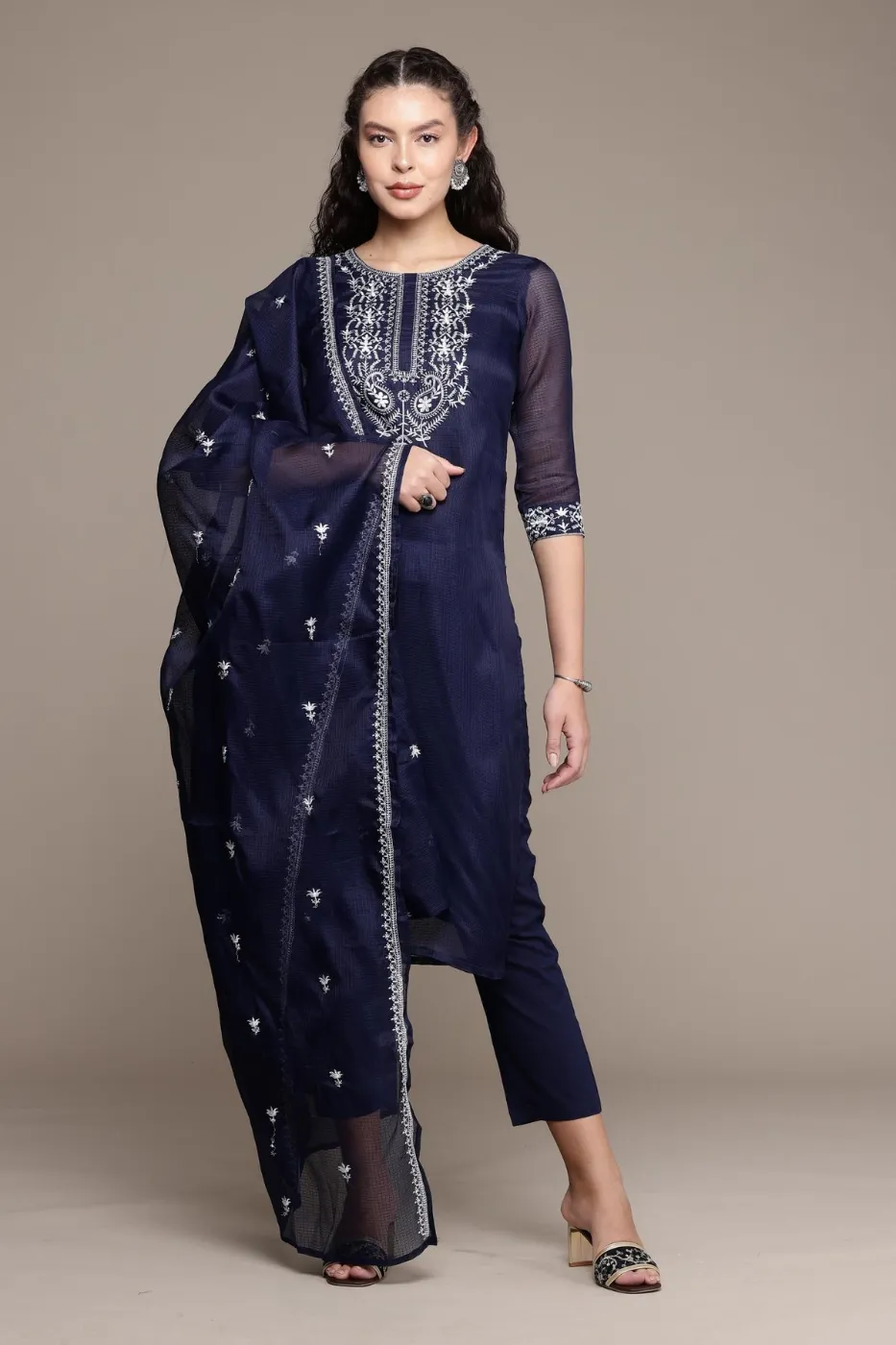
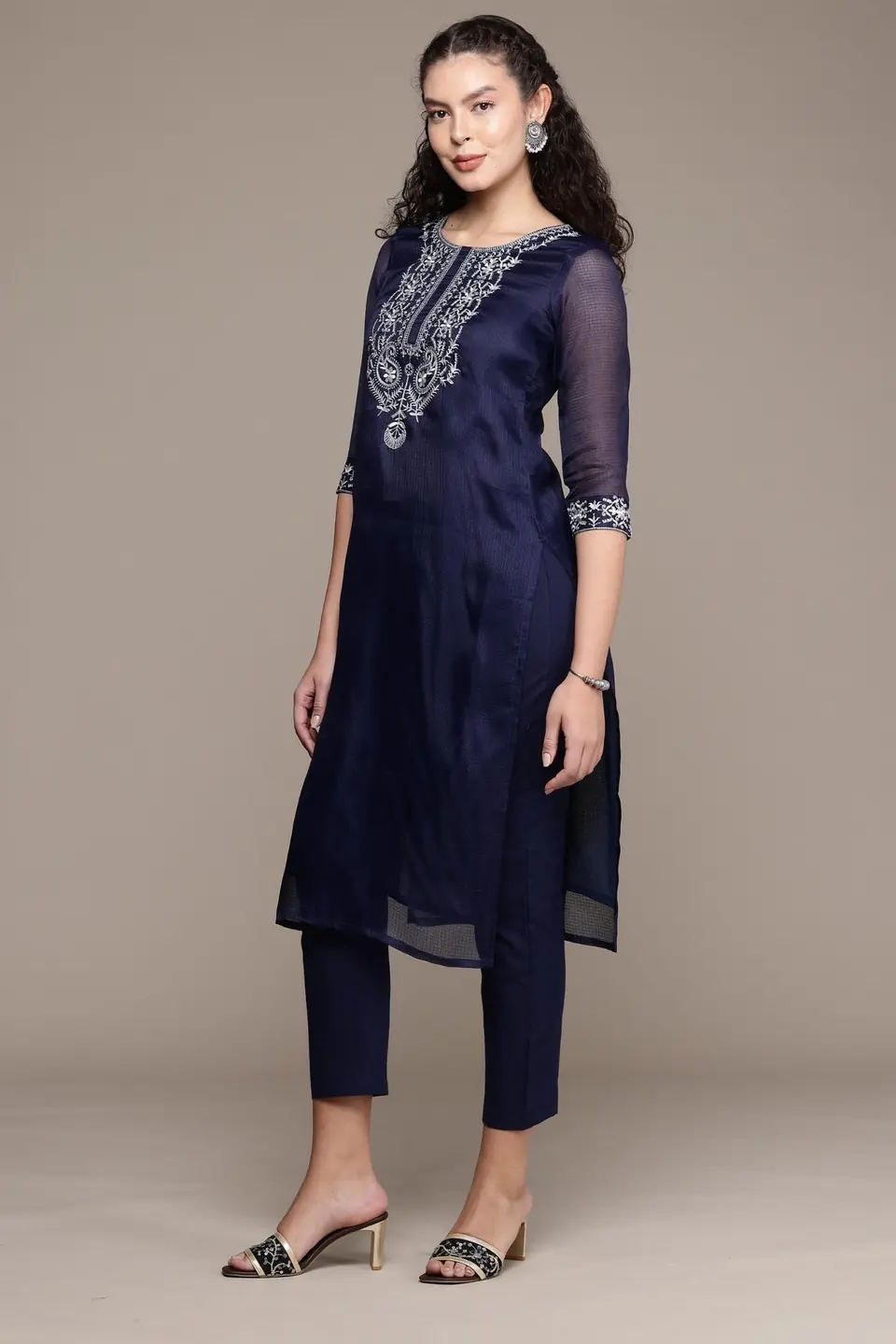
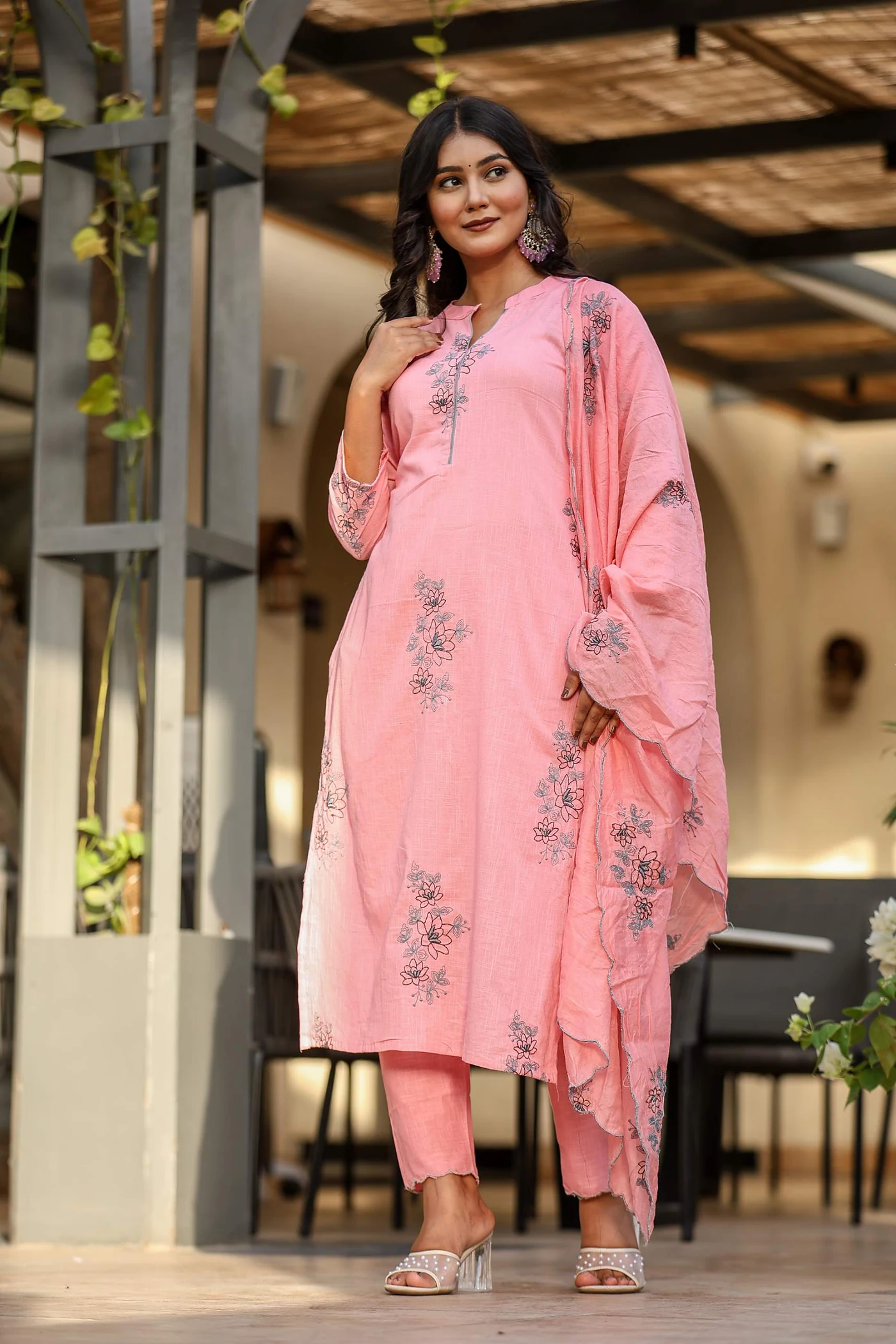
Kurta pant sets. A long tunic with matching trousers and a dupatta (a long scarf). This is the most beginner-friendly choice: easy to put on, comfortable to sit in for long ceremonies, and suitable for almost every daytime function. A breathable set such as the Navy Blue Kota Doria Embroidered Kurta Pant Dupatta Set is elegant without feeling like a costume.
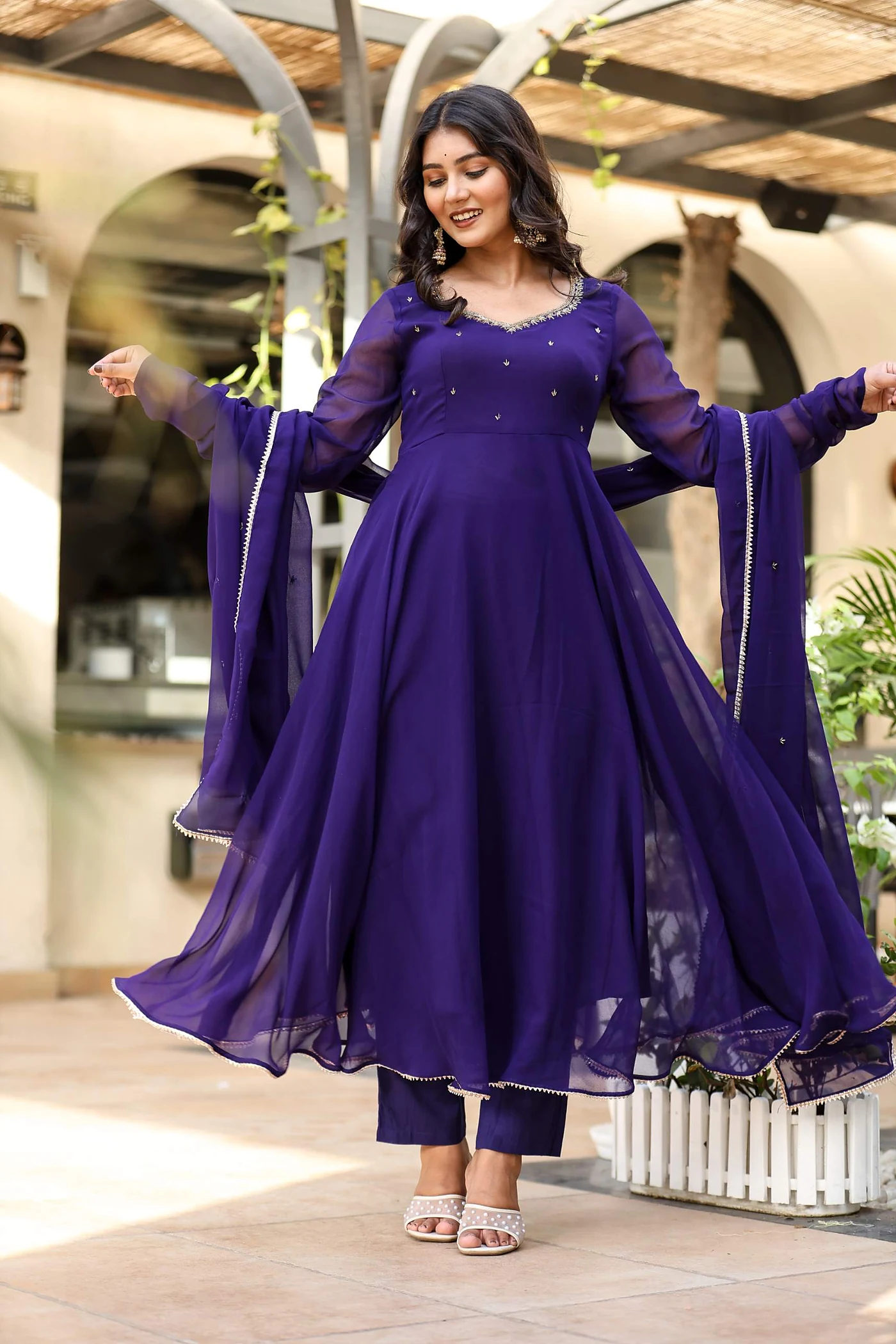
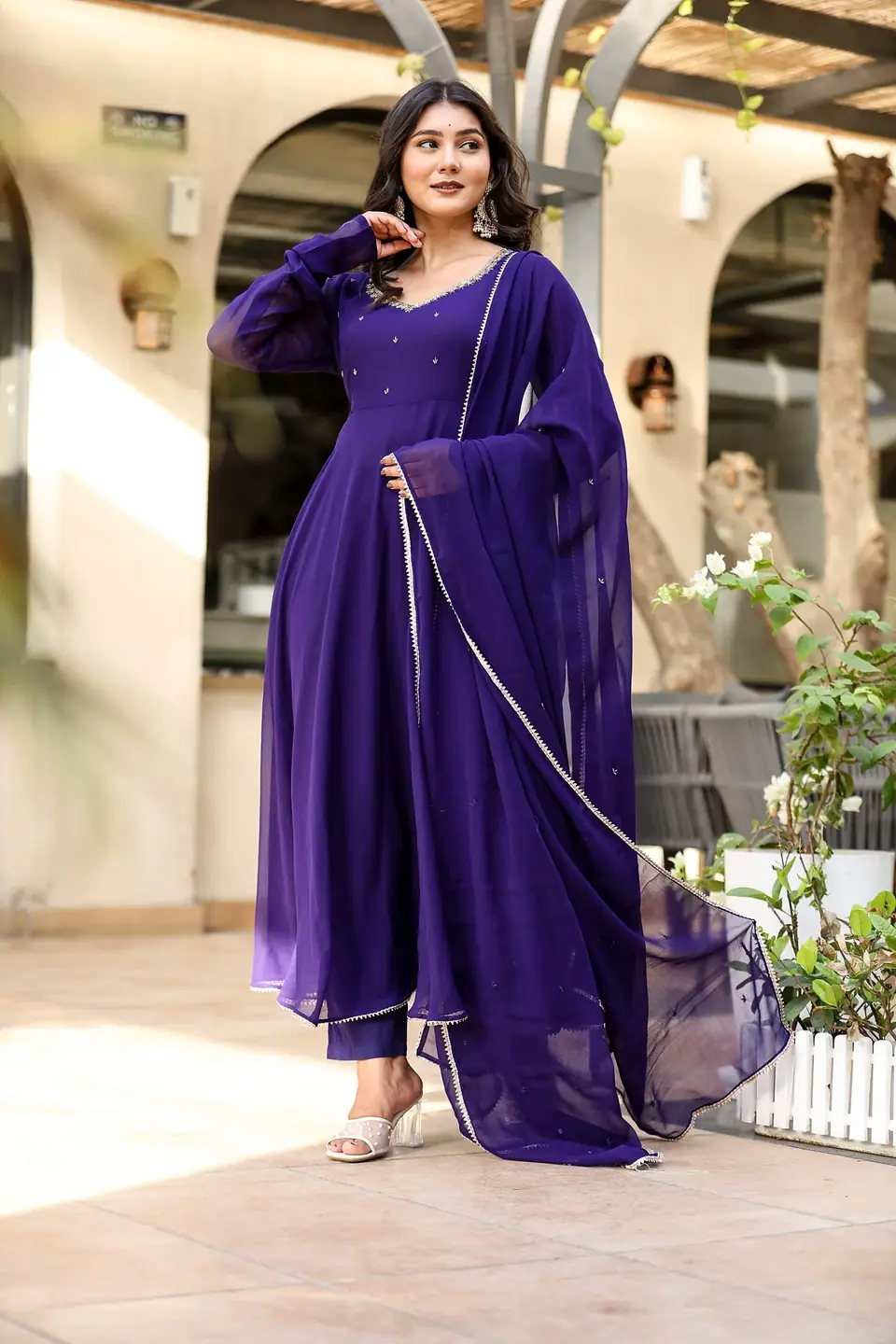
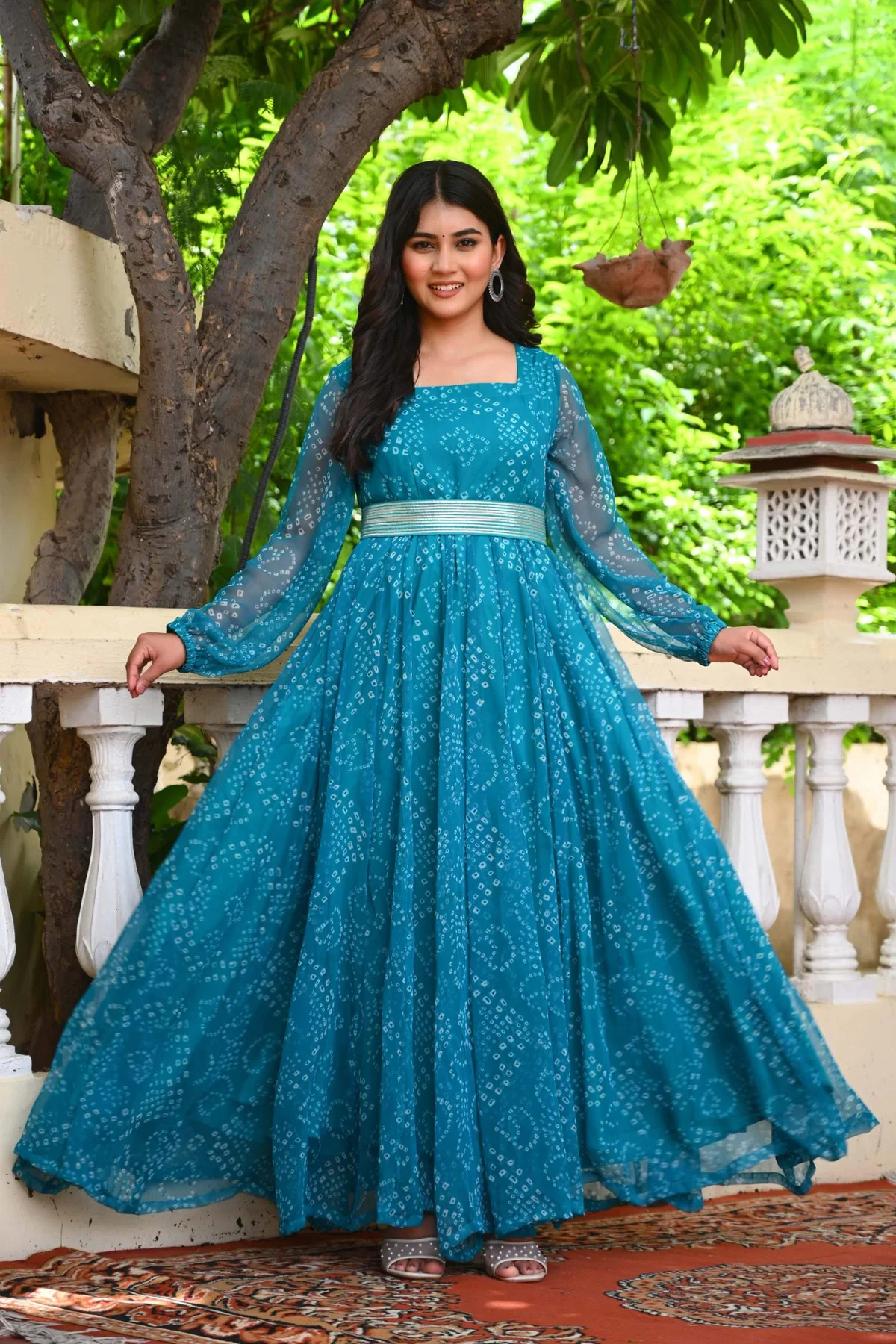
Anarkali suits. A fitted bodice that flares into a long, twirling skirt-like kurta. It feels like a gown, which makes it familiar to Western guests, and it is perfect for evening events and dancing. The Royal Blue Georgette Anarkali Suit with Gota Lace Dupatta is a safe and striking choice for a sangeet or reception.
Sarees and lehengas. Beautiful, but harder to manage. A saree needs draping skill, and a heavy lehenga can be tiring for a long night. Save these for when you have a friend to help you dress.
Outfit choices compared
| Outfit | Ease of wearing | Best for | Tip for first-timers | |---|---|---|---| | Kurta pant set | Very easy | Day ceremonies, mehendi, pooja | Choose one with a dupatta for a dressier look | | Anarkali suit | Easy | Sangeet, wedding night, reception | Floor length looks formal; ankle length is easier to dance in | | Saree | Needs practice | Wedding ceremony, reception | Ask a friend to drape it and pin it well | | Lehenga | Moderate | Sangeet, reception | Check the weight before you buy |
Colours and etiquette to know
Avoid bridal red, especially on the wedding day. Avoid all-white, which is linked to mourning in many communities, and all-black for the religious ceremonies. Everything else is open: pink, peach, orange, yellow, green, royal blue, purple and teal are all wonderful.
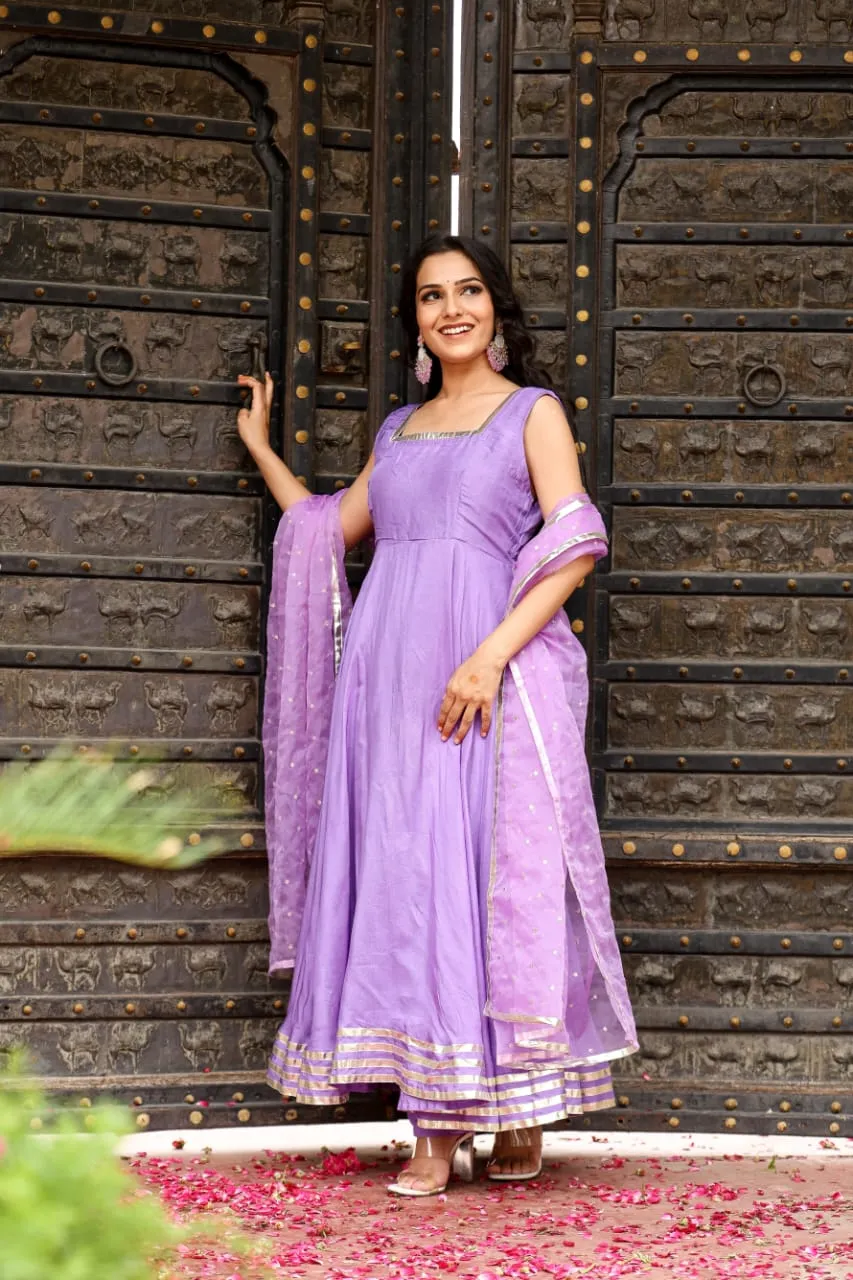
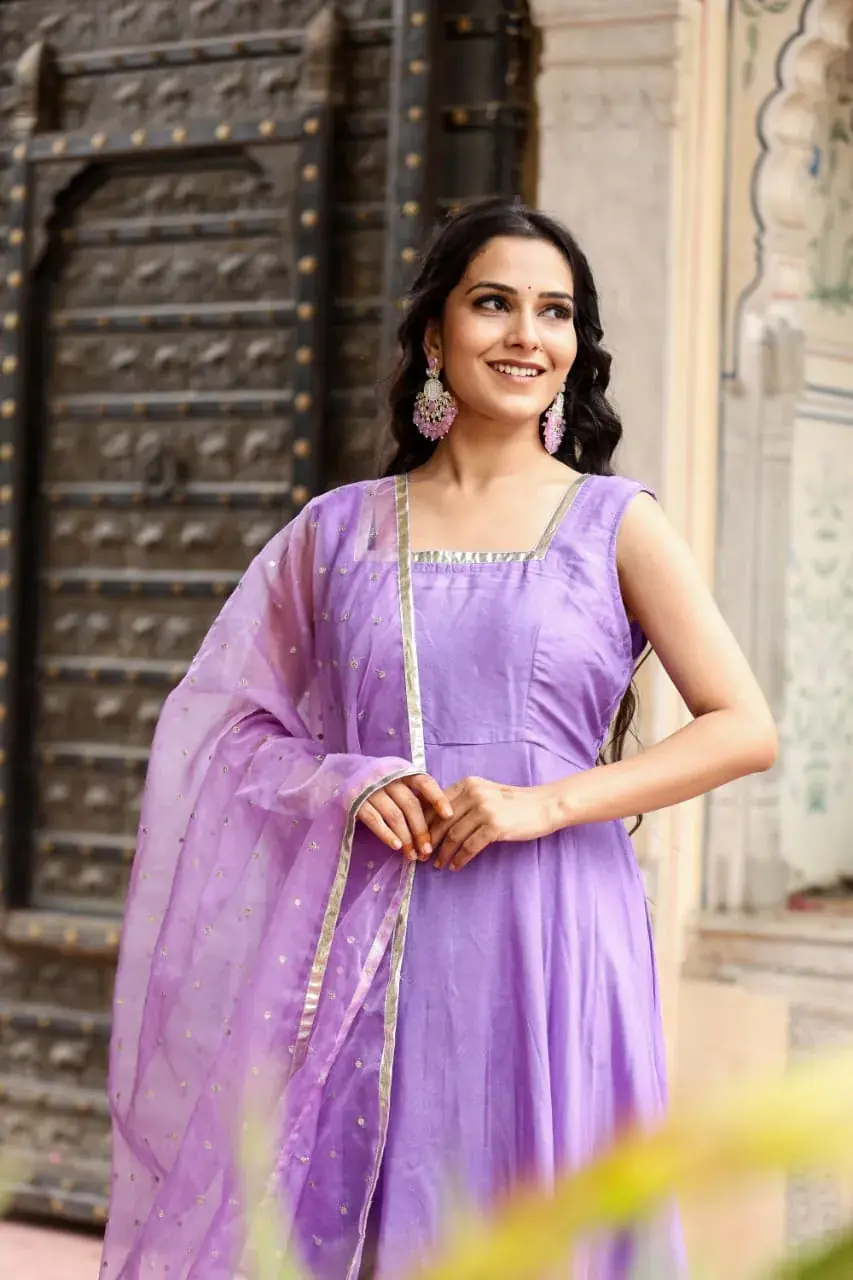
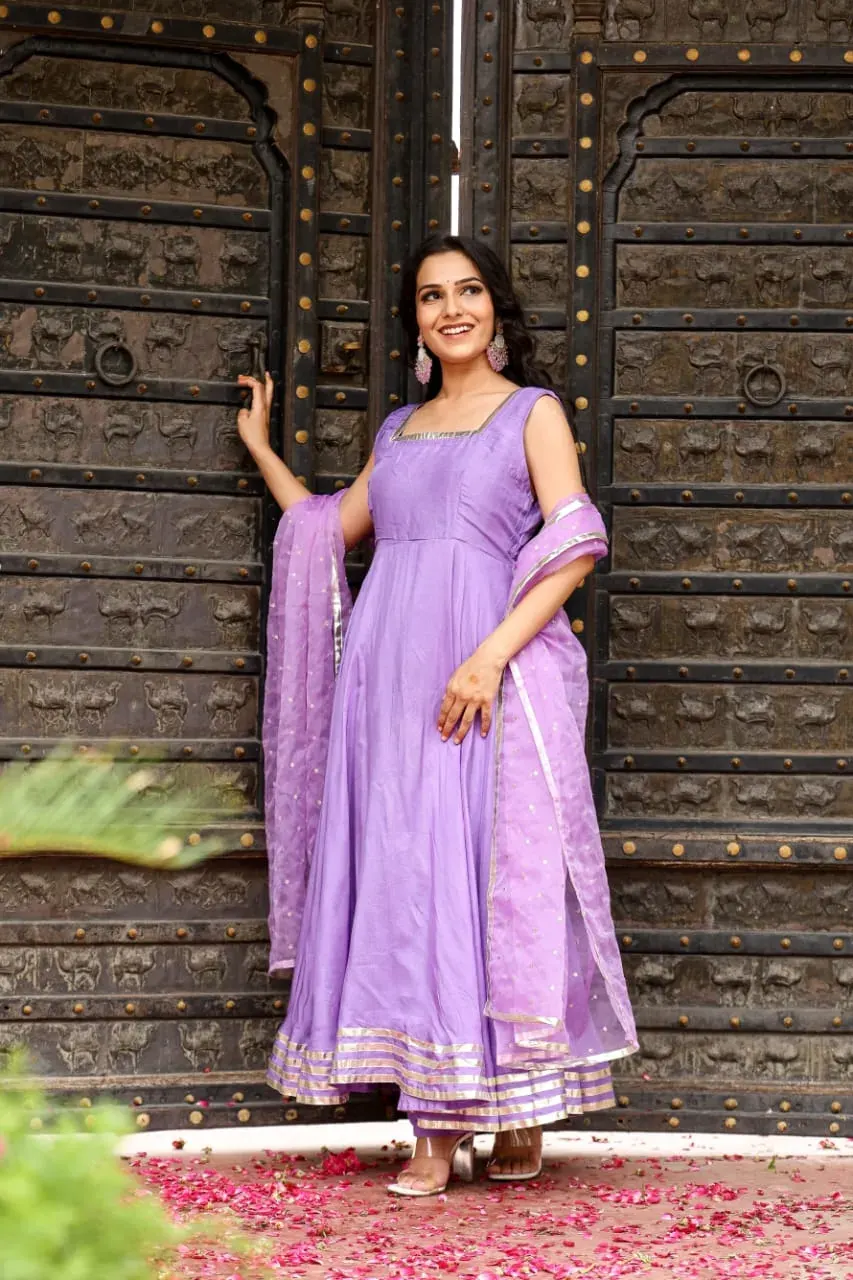
Indian weddings usually have several functions. Daytime events like the haldi and mehendi are relaxed and colourful. The sangeet is a party with dancing. The wedding ceremony is the most traditional, and the reception is the most glamorous. Wear lighter cotton for the day and richer fabrics for the evening. A pastel with shine, like the Lavender Taffeta Silk Gota Work Anarkali with Organza Dupatta, works for evening events if bright colours are not your style.
Modesty matters most at the religious ceremony. Shoulders are usually covered and you may be asked to cover your head in a gurdwara or temple. A dupatta solves this instantly.
How to wear a dupatta (without stress)
The dupatta is the part that worries most first-timers. Three easy ways to wear it:
- Over one shoulder. Pin it on your left shoulder and let it fall down your back. The simplest and most secure option for dancing.
- Across both shoulders. Drape it behind your neck so both ends hang down the front or over your arms. Elegant for photos.
- Over the head. Lay it lightly over your hair for a religious ceremony, letting the ends fall over your shoulders.
Bring two small safety pins and you will be fine all night.
Fit and ordering tips
Indian outfits look best when they fit well at the bust and shoulders. If you are between sizes or have a longer torso, a custom fit outfit made to your measurements takes the guesswork out.
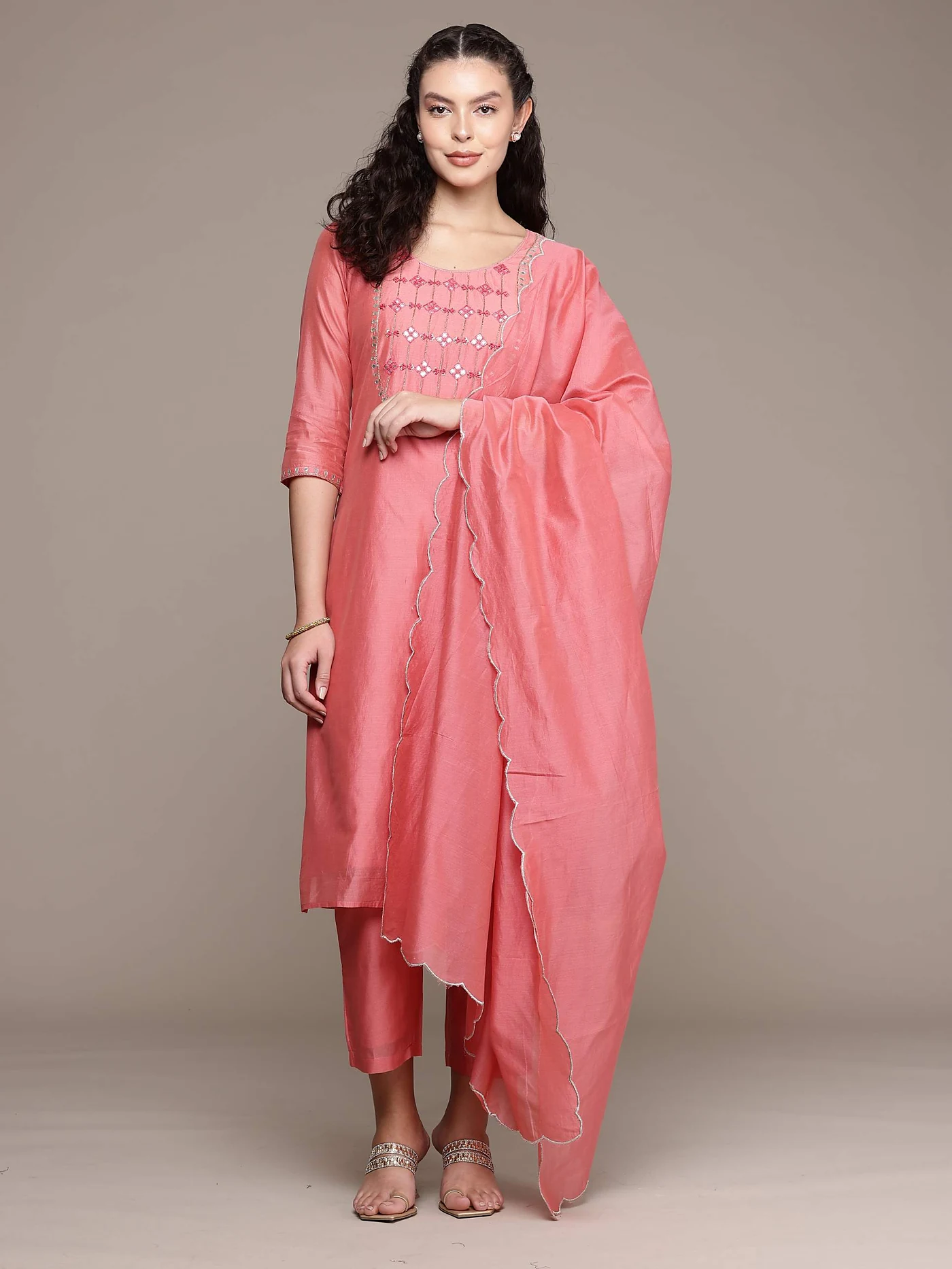
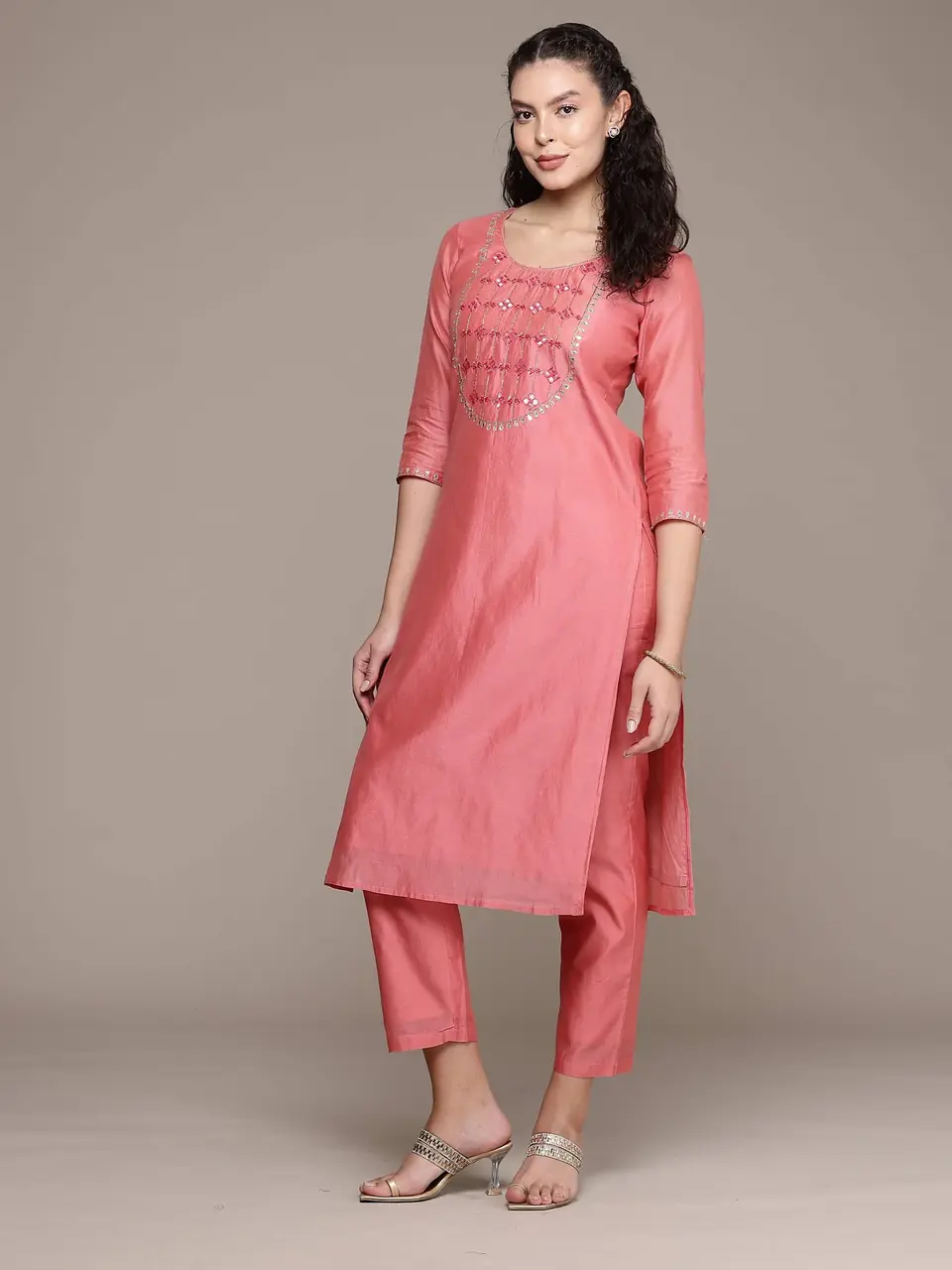
For a softer, everyday elegance at a day function, the Coral Pink Chanderi Kurta Set with Hand-Embroidered Yoke is lovely and very easy to wear.
Order at least three to four weeks before the wedding so there is time for stitching, delivery and a try-on.
Frequently asked questions
Will the family be offended if I wear Indian clothes? Almost never. Most Indian families see it as a lovely sign of respect and are happy to help you dress or tie your dupatta.
What should a non-Indian man wear to an Indian wedding? A kurta pajama or a kurta with churidar is perfect for most functions, and a bandhgala or Nehru jacket adds polish for the evening.
Do I need to cover my head? Only at certain religious ceremonies or venues, such as a gurdwara. Carry your dupatta and follow what other guests do.
What shoes go with Indian outfits? Juttis, embellished flats or block heels. You may need to remove shoes during the ceremony, so pick something easy to slip on and off.
First Indian wedding and want a hand choosing your outfit? WhatsApp us and we will guide you through it.